
Gulf wealth hubs face short-term shock, but Dubai remains a long-term magnet for the ultra-rich
- Short-term economic pressures hitting Gulf wealth hubs
- The impact of regional geopolitical tensions
- Dubai's diversified economy as a resilience factor
- The role of world-class infrastructure in attracting ultra-rich individuals
- Real estate trends among the ultra-rich in Gulf cities
- Government initiatives to sustain wealth hub status
- Dubai's strategic positioning as a global financial center
- The importance of lifestyle and cultural offerings
- Challenges ahead for Gulf wealth centers in adapting to changing global wealth flows
- Dubai's continued appeal in a competitive global market
Short-term economic pressures hitting Gulf wealth hubs
The Gulf's wealth hubs, including Abu Dhabi, Doha, and Riyadh, have been experiencing short-term economic pressures due to fluctuating oil prices and geopolitical uncertainties. The recent dip in global energy demand has exerted downward pressure on sovereign wealth funds and government spending, shaking investor confidence.
The impact of regional geopolitical tensions
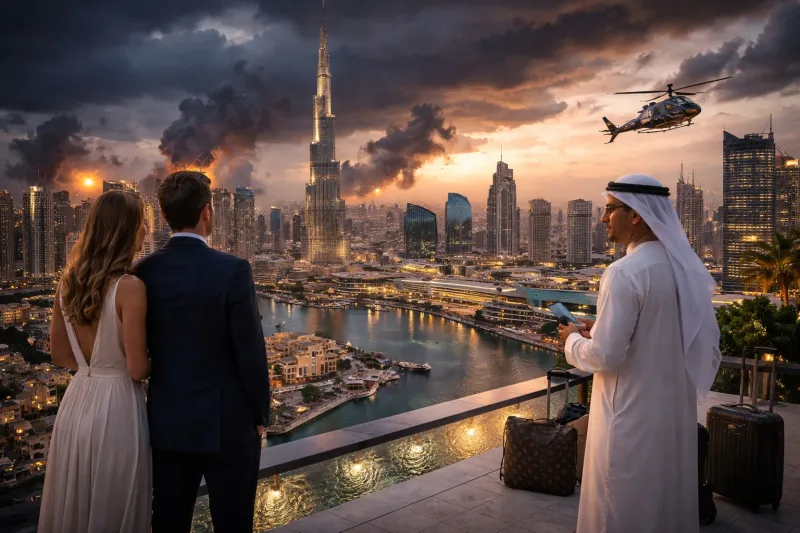
Political tensions in the Middle East have also contributed to a cautious approach among ultra-high-net-worth individuals. Concerns over stability influence decisions on real estate investments and business expansions, causing some to pause or reconsider their commitments in the region.
Dubai's diversified economy as a resilience factor
Unlike some Gulf neighbors heavily reliant on oil revenues, Dubai has cultivated a diversified economy encompassing tourism, real estate, finance, and technology. This diversification provides a cushion against oil market volatility and has strengthened its appeal to wealthy global investors.
The role of world-class infrastructure in attracting ultra-rich individuals
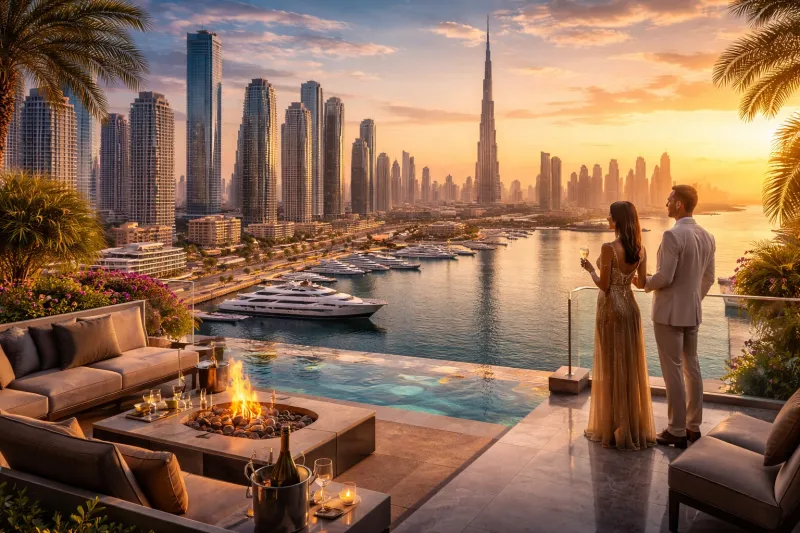
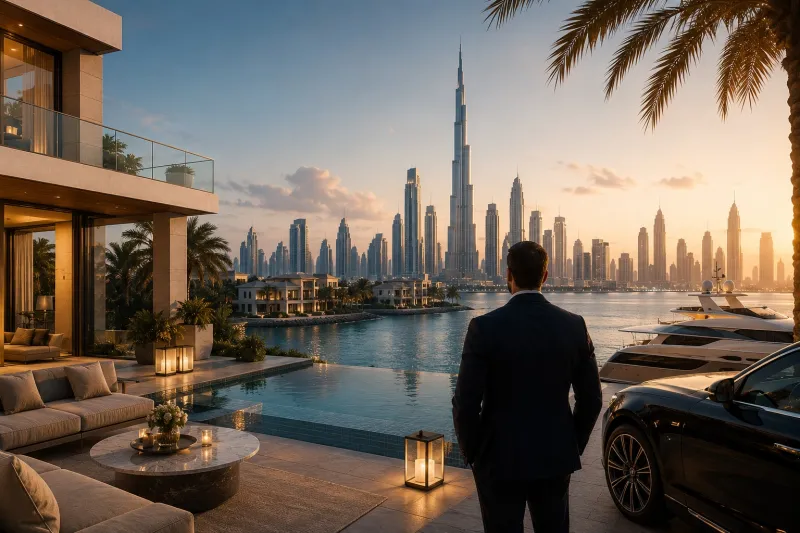
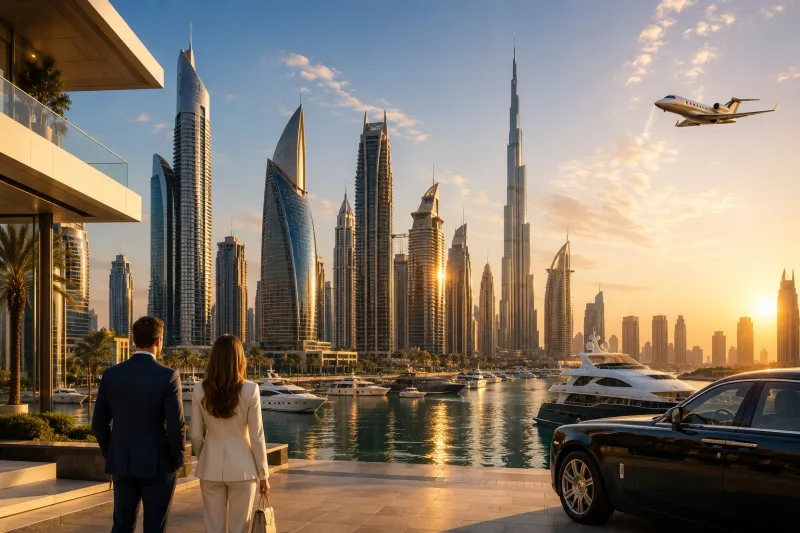
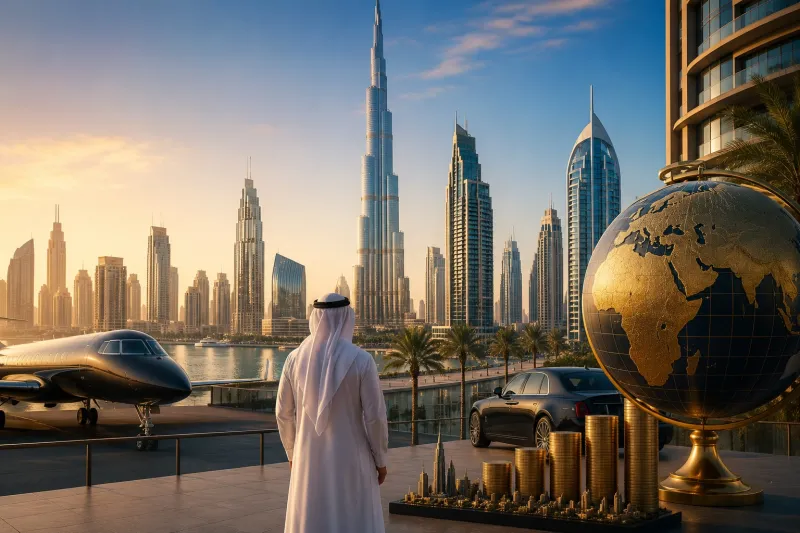
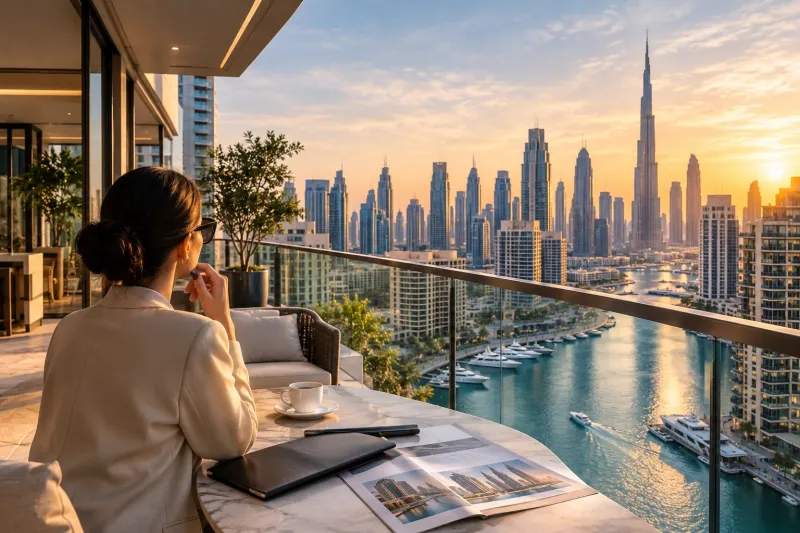
Dubai's investment in infrastructure—from airports to luxury hospitality—continues to draw affluent individuals. The city's state-of-the-art airports and ports facilitate global connectivity, while luxury developments cater to an upscale lifestyle.
Real estate trends among the ultra-rich in Gulf cities
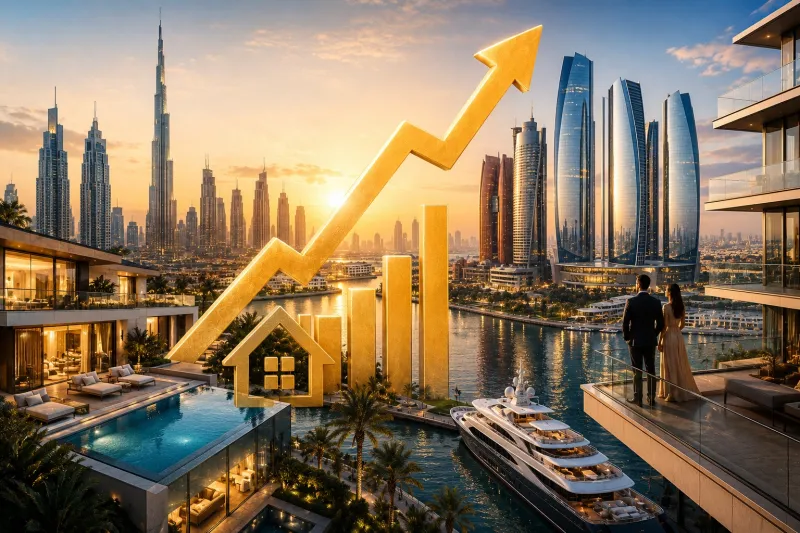
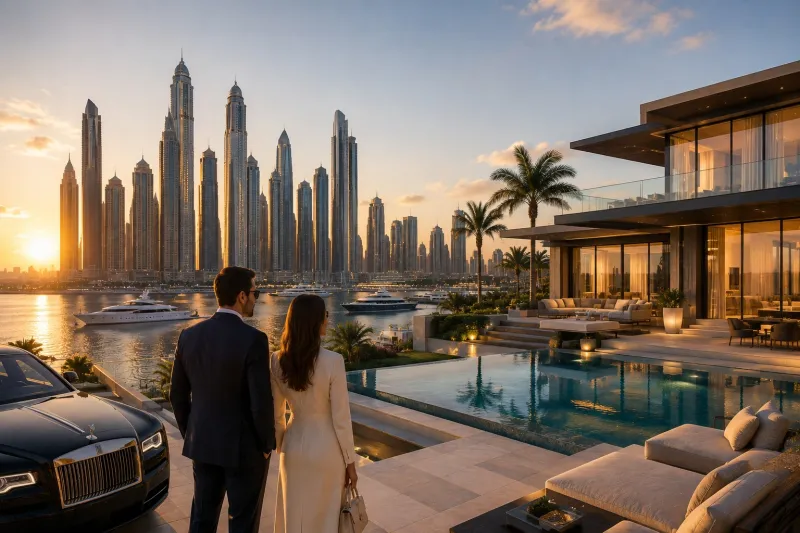
The property markets in major Gulf cities are experiencing mixed trends. While some areas report cooling prices due to over-supply and economic uncertainty, Dubai’s prime locations maintain robust demand from wealthy buyers seeking second homes, investment opportunities, or permanent residences.
Government initiatives to sustain wealth hub status
Gulf governments are actively introducing reforms to enhance their attractiveness for HNWIs. These include new visa regimes, tax incentives, and streamlined business processes, with Dubai leading the charge through innovations like the Golden Visa program.
Dubai's strategic positioning as a global financial center
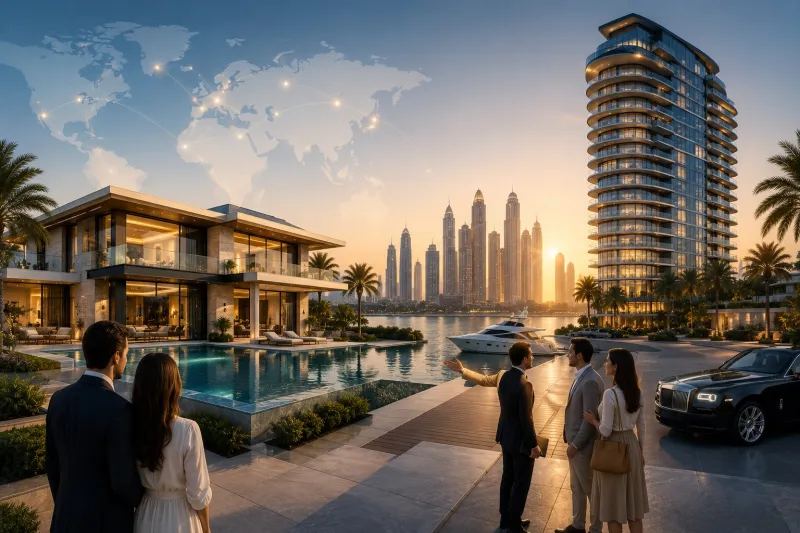
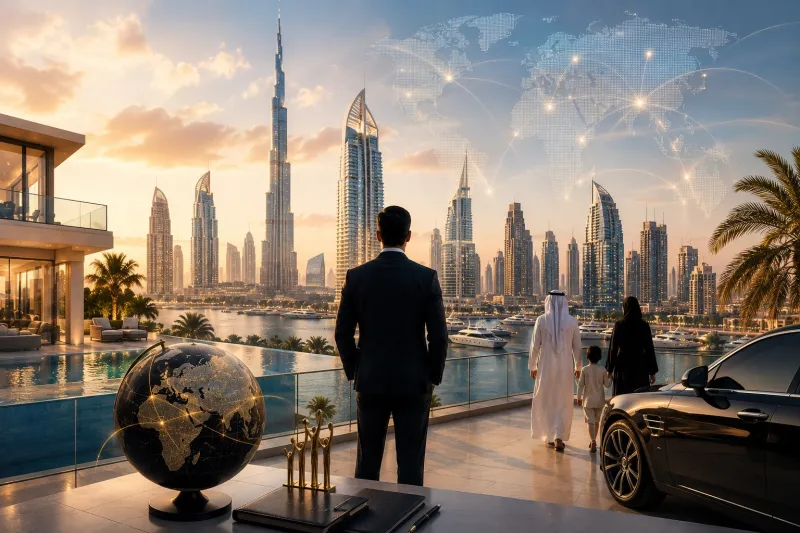
Dubai’s rise as a global financial center is supported by regulatory reforms and partnerships with leading international financial institutions. The city serves as a gateway to emerging markets in Africa and Asia, expanding opportunities for wealth management and investment for the ultra-rich.
The importance of lifestyle and cultural offerings
Beyond financial incentives, Dubai provides unmatched lifestyle experiences including Michelin-starred dining, luxury shopping, and cultural festivals. These elements contribute to the city’s magnetism, making it an attractive location for wealthy individuals seeking quality of life alongside business prospects.
Challenges ahead for Gulf wealth centers in adapting to changing global wealth flows
As global wealth shifts and new economic powers emerge, Gulf wealth hubs must adapt to changing preferences and investment patterns. Digital innovation, sustainability concerns, and evolving geopolitical landscapes will require flexible strategies to maintain their competitive edge.
Dubai's continued appeal in a competitive global market
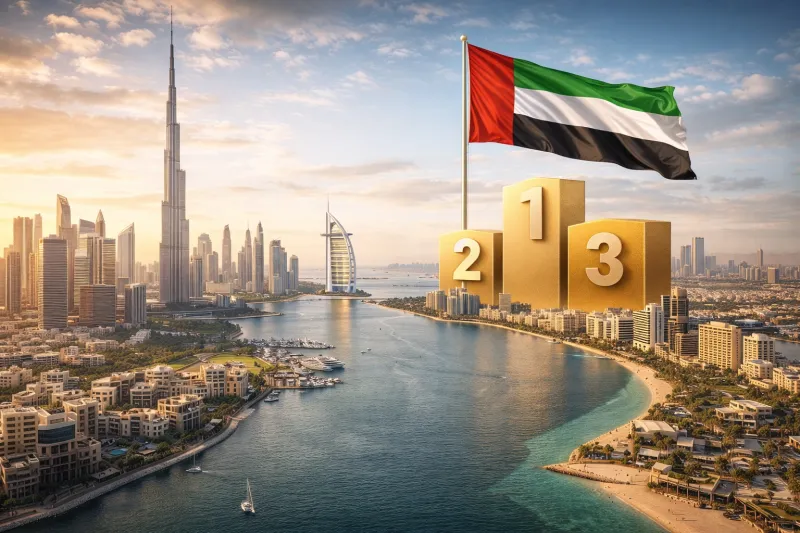
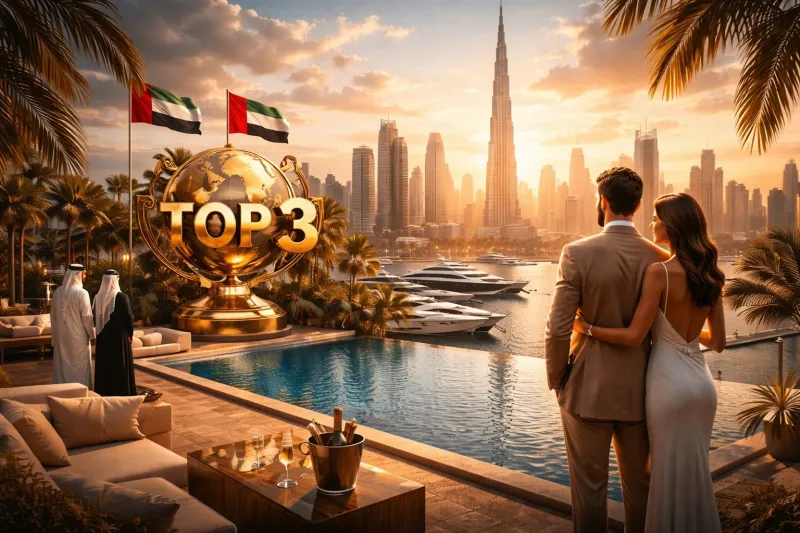
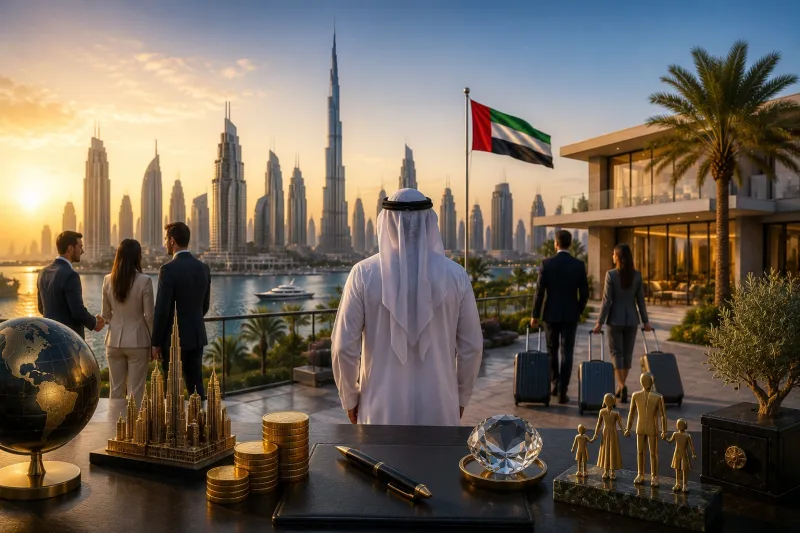
Despite short-term shocks affecting the Gulf region, Dubai’s strategic initiatives, diversified economy, and unmatched lifestyle offerings ensure it remains a top choice for the ultra-rich over the long term. Its ability to innovate and respond swiftly to global trends underpins its sustained attractiveness in a highly competitive global market.
Writer focused on delivering informative, accessible content