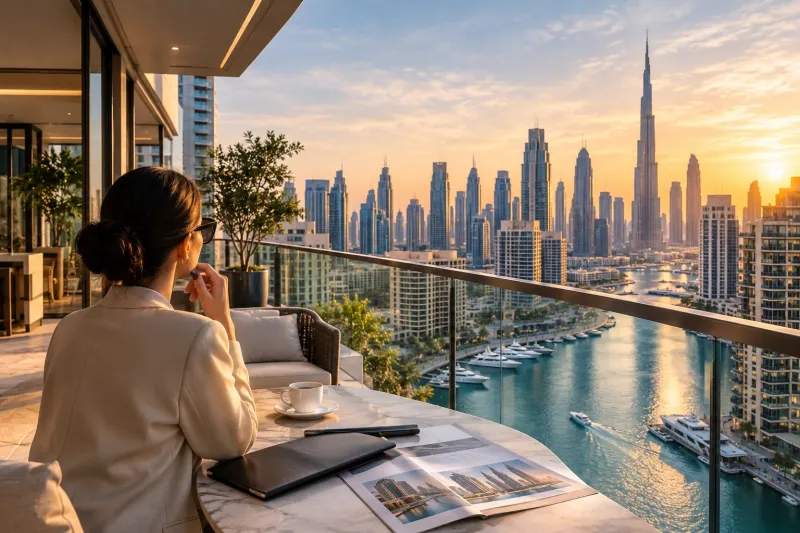

Asian HNWIs reconsider Dubai investments amid rising regional tensions
- The growing appeal of Dubai for Asian HNWIs
- Escalating regional tensions and their impact
- Shifts in investment preferences
- The real estate market under the microscope
- Financial advisors recommend diversified approaches
- The role of government initiatives in maintaining investor confidence
- Comparative analysis with other regional investment hubs
- The increasing importance of risk assessment tools
- Impact on luxury goods and lifestyle sectors
- Future outlook: balancing opportunity and uncertainty
The growing appeal of Dubai for Asian HNWIs
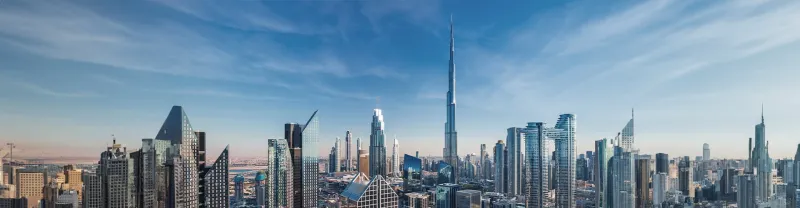
Dubai has long been a magnet for Asian wealthy investors due to its strategic location, tax advantages, and thriving luxury real estate market. Its political stability relative to other Middle Eastern hubs has historically fostered confidence among Asian HNWIs looking to diversify their portfolios globally.
Escalating regional tensions and their impact
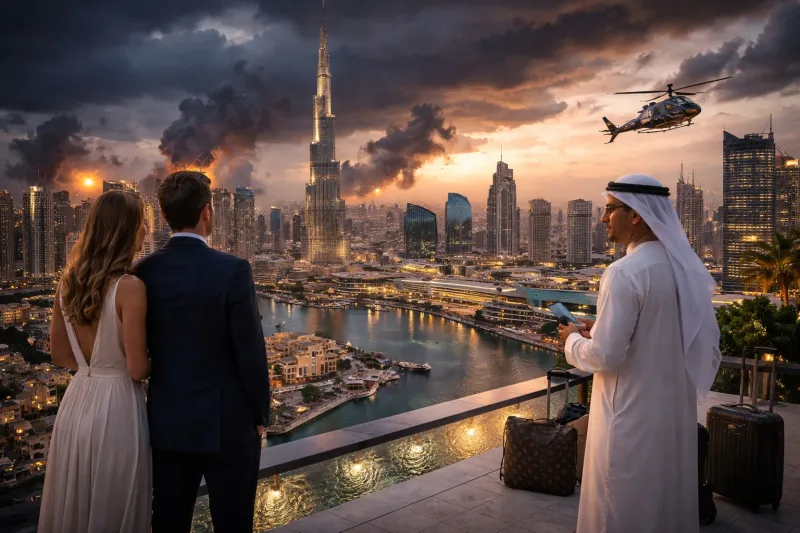
Recent geopolitical developments, including increased conflicts and diplomatic disputes in the Gulf, have led to heightened uncertainty. Asian investors are now weighing the potential risks these tensions pose to Dubai’s market stability and future growth prospects.
Shifts in investment preferences
As concerns grow, Asian HNWIs are reconsidering asset allocations within Dubai, favoring more liquid investments over long-term property holdings. There is also a noticeable shift towards sectors perceived as more resilient, such as technology and healthcare, within the Emirate.
The real estate market under the microscope
Dubai’s luxury real estate market, once booming with demand from Asian investors, is experiencing increased caution. Potential buyers are closely monitoring market trends, seeking signs of volatility before committing to large-scale property investments.
Financial advisors recommend diversified approaches
Financial experts suggest that Asian HNWIs adopt a diversified investment approach in Dubai. This strategy includes blending property investments with holdings in financial instruments and business ventures to mitigate risks stemming from geopolitical instability.
The role of government initiatives in maintaining investor confidence
Dubai’s government continues to implement policies aimed at attracting and retaining foreign investors. Initiatives such as visa reforms, business-friendly regulations, and enhanced security measures are designed to reassure Asian HNWIs amid the regional tensions.
Comparative analysis with other regional investment hubs
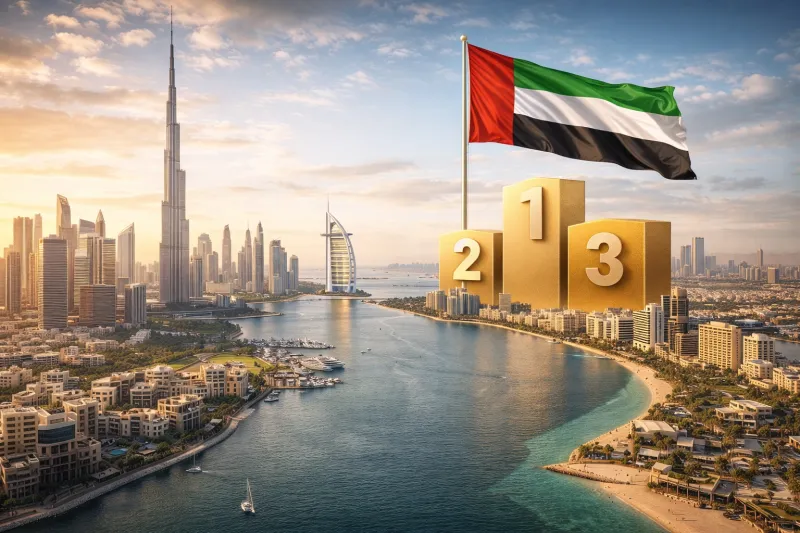
Against the backdrop of rising tensions, Asian investors are comparing Dubai with alternative regional hubs like Abu Dhabi and Doha. Factors such as economic diversification, political risk, and infrastructure development play crucial roles in this assessment.
The increasing importance of risk assessment tools
Investors from Asia are relying more heavily on sophisticated risk assessment tools to evaluate the impact of regional instability on their Dubai investments. These technologies allow for better scenario planning and decision-making under uncertain geopolitical conditions.
Impact on luxury goods and lifestyle sectors
Beyond real estate and finance, the luxury goods and lifestyle sectors in Dubai are also feeling the effects of investment caution. Asian HNWIs’ spending patterns are adapting, with a focus on sustainable luxury and experiences that offer more long-term value.
Future outlook: balancing opportunity and uncertainty
While challenges persist, many Asian HNWIs recognize Dubai’s continued potential as a dynamic investment destination. The future investment landscape will likely involve careful balancing of geopolitical risks with the Emirate’s robust opportunities across various sectors.
Writer focused on delivering informative, accessible content