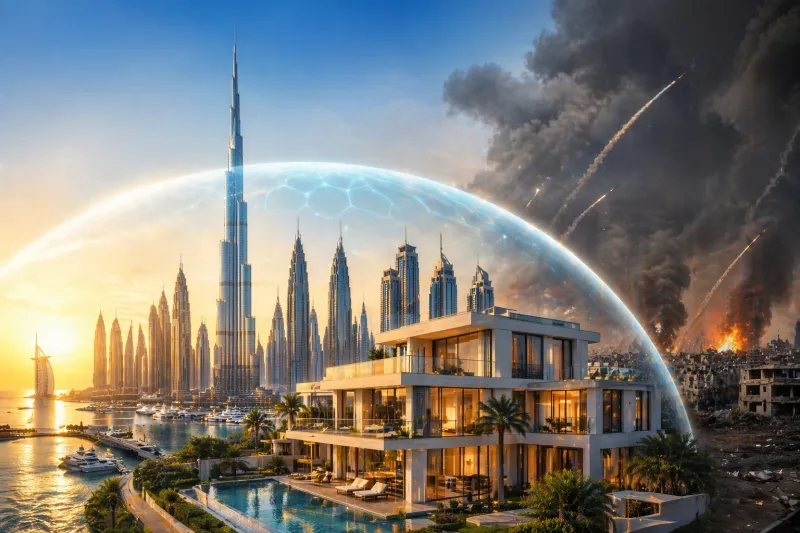
Geopolitical tensions put Dubai’s ‘safe haven’ status for the wealthy to the test
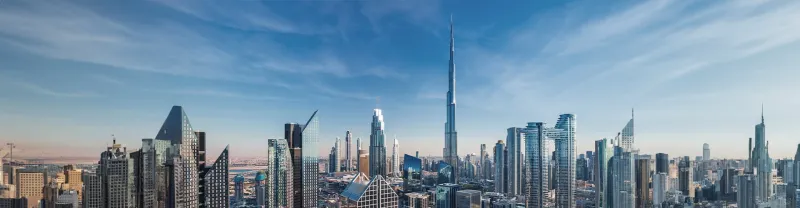
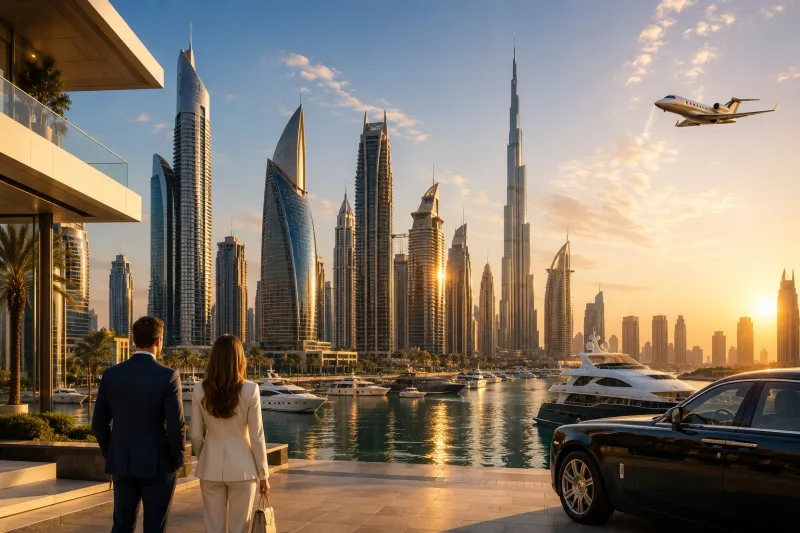
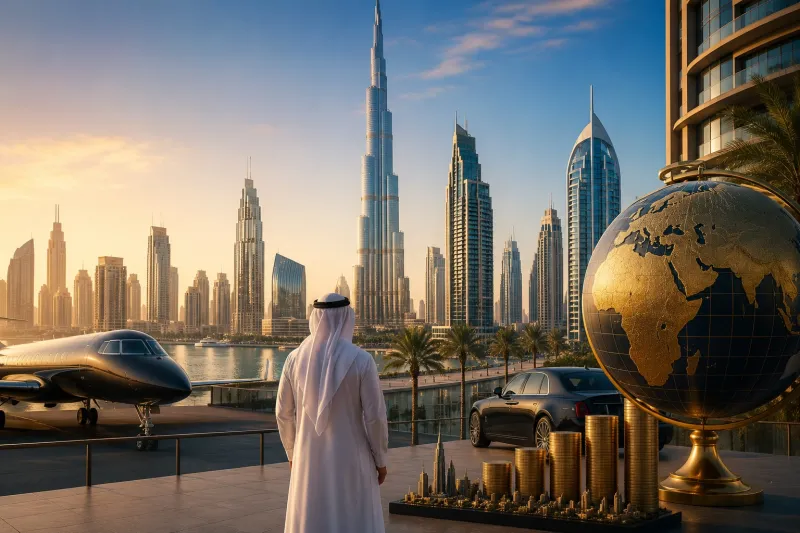
Dubai has long cultivated its image as a secure haven for the global elite, offering stability, luxurious living, and a favorable business environment. However, rising geopolitical tensions worldwide now challenge the emirate’s reputation as a sanctuary for wealthy investors and expatriates. This article explores how shifting international relations and regional conflicts are impacting Dubai’s status as a preferred destination for wealth preservation.
- Dubai’s rise as a wealth sanctuary
- The impact of Middle East tensions
- US-China rivalry and its influence on Dubai
- Global sanctions regimes and their local effects
- Changing migration patterns among the wealthy
- Security investments and defense enhancements
- Financial market volatility and investor confidence
- The role of diplomatic neutrality and mediation
- Technology and infrastructure as buffers against instability
- Evolving regulatory frameworks to boost transparency
Dubai’s rise as a wealth sanctuary
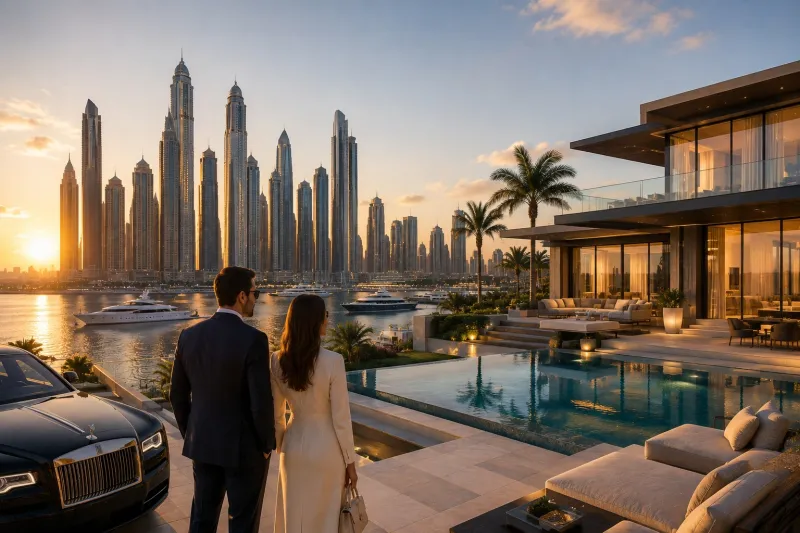
Over the past two decades, Dubai has transformed from a desert port city into a global financial hub and a playground for the affluent. Its strategic location between East and West, tax-friendly policies, and state-of-the-art infrastructure attracted high-net-worth individuals looking for economic and political stability. The city’s luxury real estate market, financial services, and entertainment industries all contributed to its appeal as a safe haven.
The impact of Middle East tensions
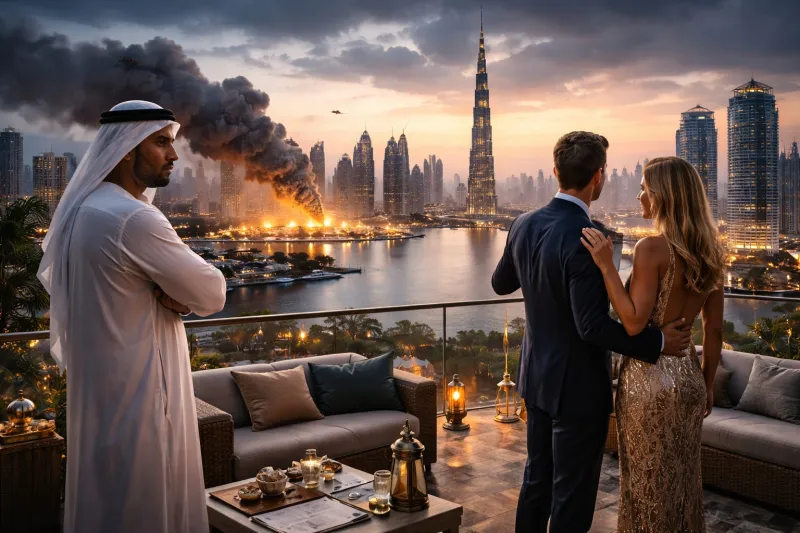
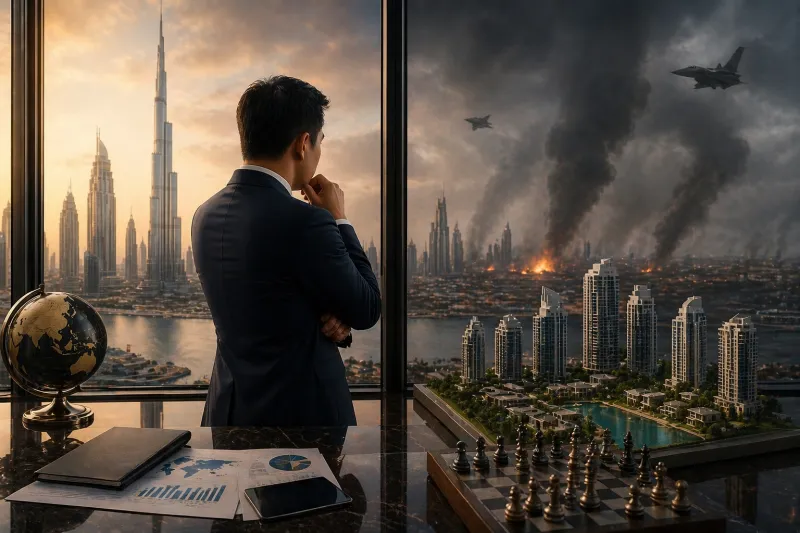
The ongoing conflicts and rivalries in the Middle East create ripple effects across the Gulf, including Dubai. Political instability in neighboring countries can disrupt trade routes, affect expatriate populations, and increase security concerns. For wealthy investors, these geopolitical risks raise questions about the continuity of Dubai’s safe atmosphere.
US-China rivalry and its influence on Dubai
The escalating rivalry between the United States and China influences global capital flows and trade dynamics. Dubai, serving as a critical node in international commerce, feels these pressures as new tariffs, sanctions, and supply chain disruptions affect regional businesses. Wealthy individuals from both nations now reassess their investments and residency options amid the uncertainty.
Global sanctions regimes and their local effects
International sanctions against certain countries and entities complicate financial operations in Dubai. Banks and investment firms must navigate complex compliance requirements, sometimes leading to reduced services for clients from sanctioned regions. This environment encourages heightened scrutiny, affecting the trust wealthy clients place in Dubai’s financial ecosystem.
Changing migration patterns among the wealthy
Geopolitical uncertainty has altered migration motives for affluent expatriates. While Dubai once attracted large numbers of wealthy migrants seeking stability, some now weigh political risks more heavily. Alternatives in Europe and Asia are gaining attention due to perceived greater political safeguards, prompting Dubai to reconsider its value propositions.
Security investments and defense enhancements
In response to growing regional tensions, Dubai has increased investments in security infrastructure and defense capabilities. These measures aim to reassure residents and investors of their safety. Heightened surveillance, emergency preparedness, and strategic alliances contribute to maintaining the emirate’s stability in uncertain times.
Financial market volatility and investor confidence
Global geopolitical tensions often trigger financial market volatility, affecting asset values and investment confidence. Dubai’s real estate and stock markets experience fluctuations as affluent investors react to news of conflicts, sanctions, or economic sanctions. This volatility challenges Dubai’s image as a steady environment for wealth growth.
The role of diplomatic neutrality and mediation
Dubai and the UAE’s broader diplomatic strategies emphasize neutrality and mediation within regional disputes. This stance has so far helped preserve relative calm and foster economic partnerships. Maintaining impartiality in geopolitical conflicts remains crucial to sustaining the city’s attractive safe haven status for the global wealthy.
Technology and infrastructure as buffers against instability
Dubai leverages advanced technology and resilient infrastructure to mitigate the impact of geopolitical unrest. Smart city initiatives, diversified energy sources, and robust communication systems enhance operational continuity even during crises. These innovations appeal to high-net-worth individuals seeking reliability and uninterrupted services.
Evolving regulatory frameworks to boost transparency
Amid international scrutiny, Dubai has implemented stricter regulatory frameworks focusing on transparency and anti-money laundering compliance. These reforms are designed to align with global standards, reassure international partners, and protect the financial system’s integrity. While challenging in the short term, such measures aim to strengthen Dubai’s reputation as a trustworthy destination for wealth preservation.
Writer focused on delivering informative, accessible content