
Global HNWI Migration Reaches Record Levels as UAE Emerges Top Destination in 2026
- Hnwi migration trends intensify worldwide
- The UAE’s rising appeal among global elites
- Tax advantages driving relocation decisions
- Real estate boom in UAE fueled by foreign wealth
- Impact of geopolitical uncertainties on HNWI migration
- Lifestyle factors and quality of life draw the affluent
- Innovative residency and citizenship programs
- Shifts in traditional HNWI destinations
- Technology and innovation hubs attract entrepreneur HNWIs
- Future outlook for global wealth migration patterns
Hnwi migration trends intensify worldwide
In 2026, the movement of HNWIs, defined as individuals with assets exceeding $1 million, has reached new heights. Research shows a marked acceleration in cross-border relocations among wealthy individuals, driven by political, economic, and lifestyle factors. This trend significantly impacts financial markets and real estate sectors globally, as demand shifts according to where these elites choose to live and invest.
The UAE’s rising appeal among global elites
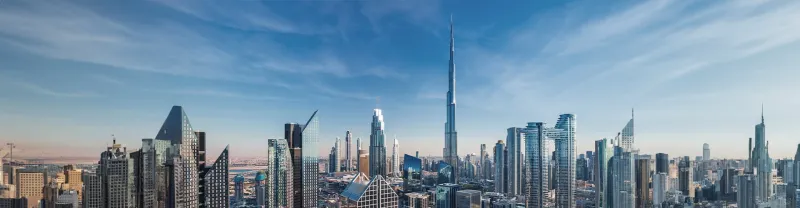
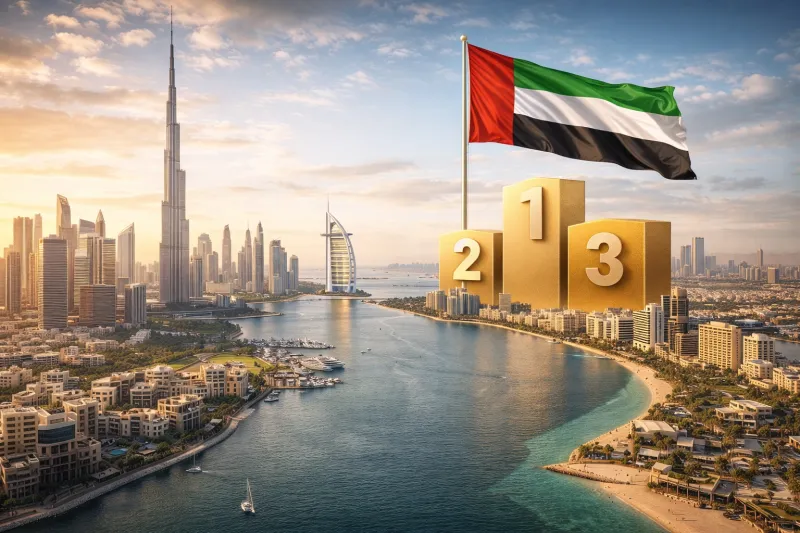
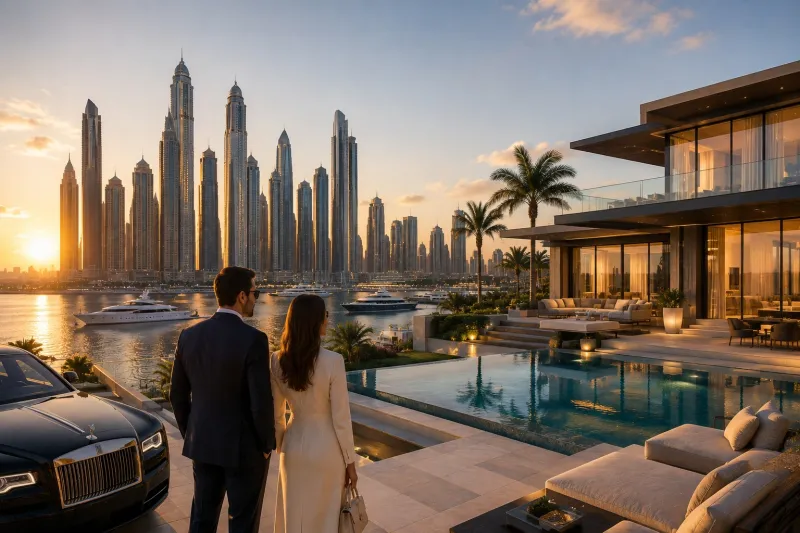
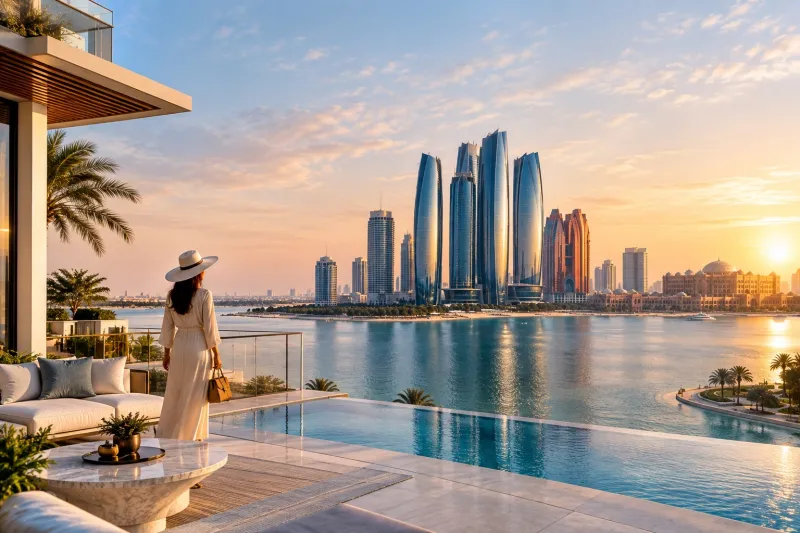
The UAE, particularly Dubai and Abu Dhabi, has emerged as the premier destination for HNWI migration in 2026. Attractive tax policies, world-class infrastructure, and a strategic geographic location connecting East and West contribute to its popularity. Additionally, the UAE’s stability and innovative visa programs specifically tailored to wealthy investors have made it a magnet for global elites.
Tax advantages driving relocation decisions
One of the primary reasons behind the surge in HNWI migration is tax optimization. Many affluent individuals seek jurisdictions with no personal income tax, capital gains tax, or inheritance tax. The UAE’s tax-free environment for individuals, combined with incentives for business and investment, presents a compelling package that surpasses many traditional financial centers.
Real estate boom in UAE fueled by foreign wealth
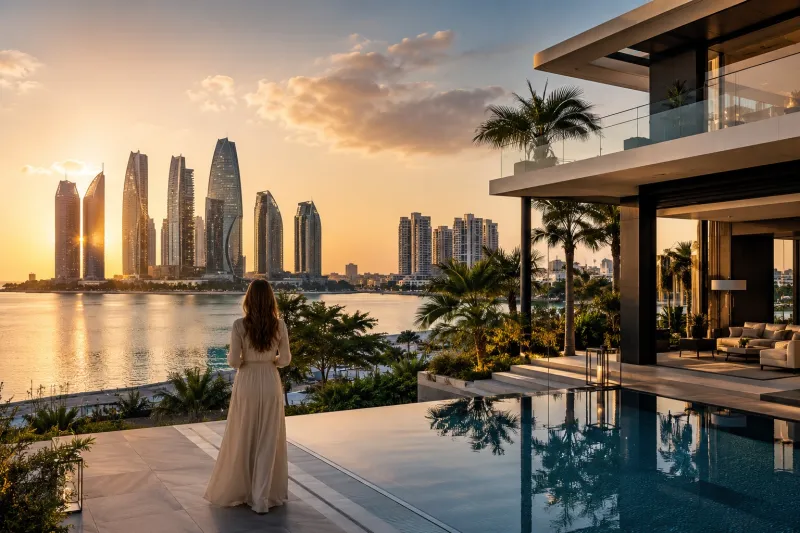
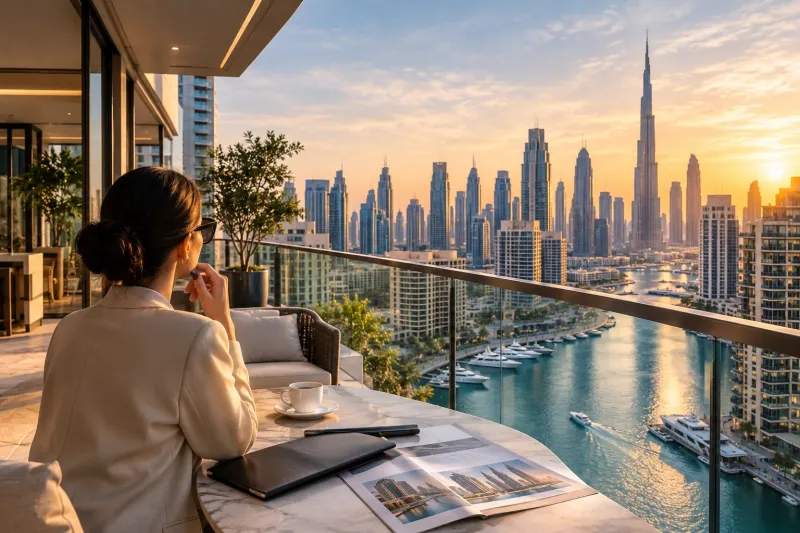
The influx of global HNWIs has significantly boosted the UAE’s luxury real estate market. Demand for high-end villas, penthouses, and branded residences continues to rise. Not only does this inflow enhance property development projects, but it also accelerates urban expansion, with prime areas experiencing record price increases.
Impact of geopolitical uncertainties on HNWI migration
Geopolitical instability in various parts of the world, including parts of Europe and Asia, is prompting wealthy individuals to seek safer and more stable environments. The UAE’s reputation as a politically secure and business-friendly country drives many to relocate, diversifying the origins of HNWI migrants and broadening the demographic landscape.
Lifestyle factors and quality of life draw the affluent
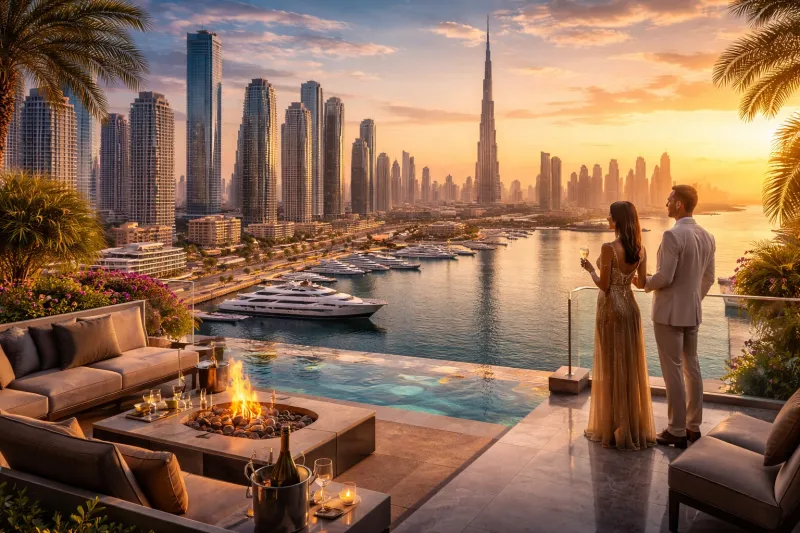
Beyond financial considerations, lifestyle improvements play a significant role. The UAE offers high-quality healthcare, education, and luxury amenities. Its cosmopolitan society and vibrant social scene provide a comfortable and attractive living experience for families and entrepreneurs alike. These factors enhance its allure as a top choice for relocation.
Innovative residency and citizenship programs
The UAE has implemented innovative visa schemes such as the Golden Visa, allowing long-term residency for investors, entrepreneurs, and talented professionals. These programs provide long-term security and ease of business operations, reducing bureaucratic barriers and encouraging sustained wealth migration and retention.
Shifts in traditional HNWI destinations
Established wealth hubs like Switzerland, Singapore, and the UK have seen a relative decline in attracting new HNWI migrants due to rising taxes, regulations, and cost of living. This shift highlights the growing competitiveness of newer destinations like the UAE, which offer more flexible environments and financial benefits.
Technology and innovation hubs attract entrepreneur HNWIs
The UAE’s investments in technology and innovation ecosystems, including free zones and startup accelerators, attract entrepreneurially minded HNWIs. These individuals seek not only tax and lifestyle benefits but also access to cutting-edge industries and networking opportunities, making the UAE a thriving center for global wealth creation.
Future outlook for global wealth migration patterns
Analysts predict that HNWI migration will continue escalating, with emerging destinations vying to replicate the UAE’s success. As wealth becomes more globally mobile, countries that combine fiscal incentives, safety, quality of life, and business ecosystems will dominate the landscape, influencing capital flows and global economic dynamics in the years ahead.
Writer focused on delivering informative, accessible content