
Luxury market faces HNWI caution, survey reveals regional variations
The global luxury market is experiencing a wave of caution among High Net Worth Individuals (HNWIs), according to a recent survey. This hesitancy varies significantly across different regions, reflecting diverse economic outlooks, cultural influences, and consumer priorities. The survey sheds light on how wealthy consumers are adapting their luxury spending habits amid shifting global dynamics.
- Survey background and methodology
- Global luxury spending trends amid economic uncertainty
- Regional variations in HNWI confidence
- North American market: cautious but resilient
- Asia-Pacific sees divergent luxury behaviors
- European caution amid inflation and energy concerns
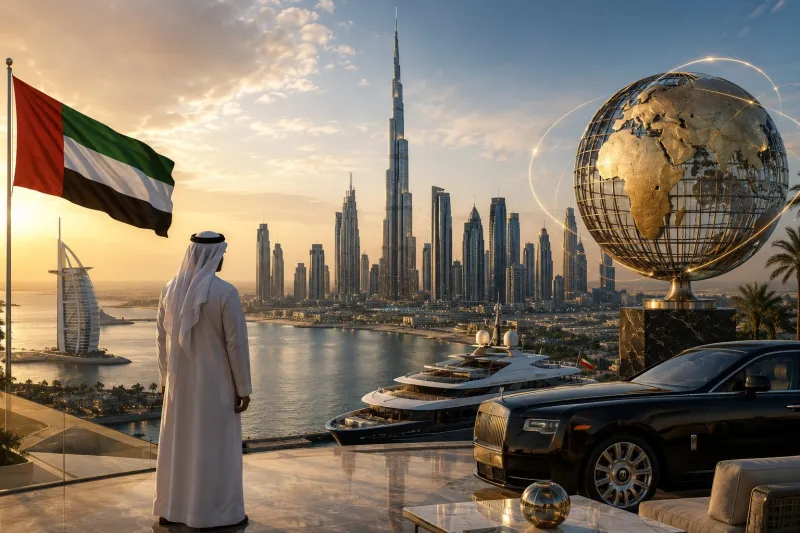
- Middle East and Africa: opportunity amid optimism
- Luxury sectors adapting to shifting HNWI priorities
- The role of digital and virtual luxury experiences
- Wealth preservation influencing luxury investment choices
Survey background and methodology
The survey was conducted across 15 countries, gathering responses from over 2,000 HNWIs to understand their luxury purchasing intentions and confidence levels. Utilizing a blend of quantitative and qualitative data, the research aimed to capture nuanced insights into regional market behaviors and emerging trends in luxury consumption.
Global luxury spending trends amid economic uncertainty
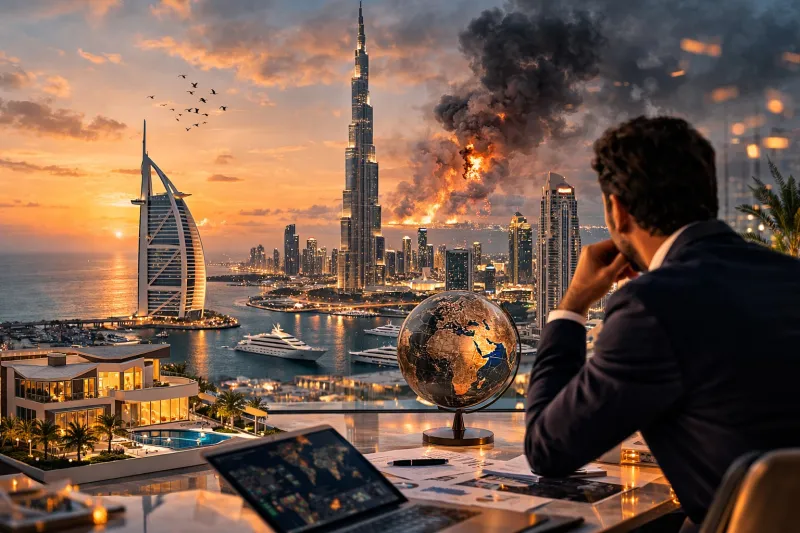
Economic volatility, inflation rates, and geopolitical tensions have contributed to a noticeable degree of caution among HNWIs globally. While some continue to indulge in high-end goods and experiences, many are adopting a wait-and-see approach, prioritizing financial security over discretionary luxury purchases.
Regional variations in HNWI confidence
The survey highlights distinct regional differences in HNWI sentiment. Asia-Pacific respondents demonstrate relatively higher confidence levels, bolstered by economic recoveries and favorable market conditions, whereas European HNWIs report greater caution, driven by inflation and energy concerns.
North American market: cautious but resilient
North American HNWIs exhibit a cautious stance but maintain resilience in luxury spending. Areas like tech, real estate, and experiential luxury see sustained interest, although consumers remain vigilant about discretionary expenses amid marketplace uncertainties.
Asia-Pacific sees divergent luxury behaviors
In the Asia-Pacific region, luxury consumption varies widely. Markets like China and Singapore show robust demand recovery, while others are more restrained due to regulatory and economic pressures. Cultural preferences influence sectors such as high fashion and luxury automobiles, driving tailored offerings.
European caution amid inflation and energy concerns
European HNWIs are notably cautious, impacted by inflation spikes and energy supply challenges. This has translated into decreased spending on luxury travel and non-essential goods, with an increased focus on sustainable and value-driven luxury.
Middle East and Africa: opportunity amid optimism
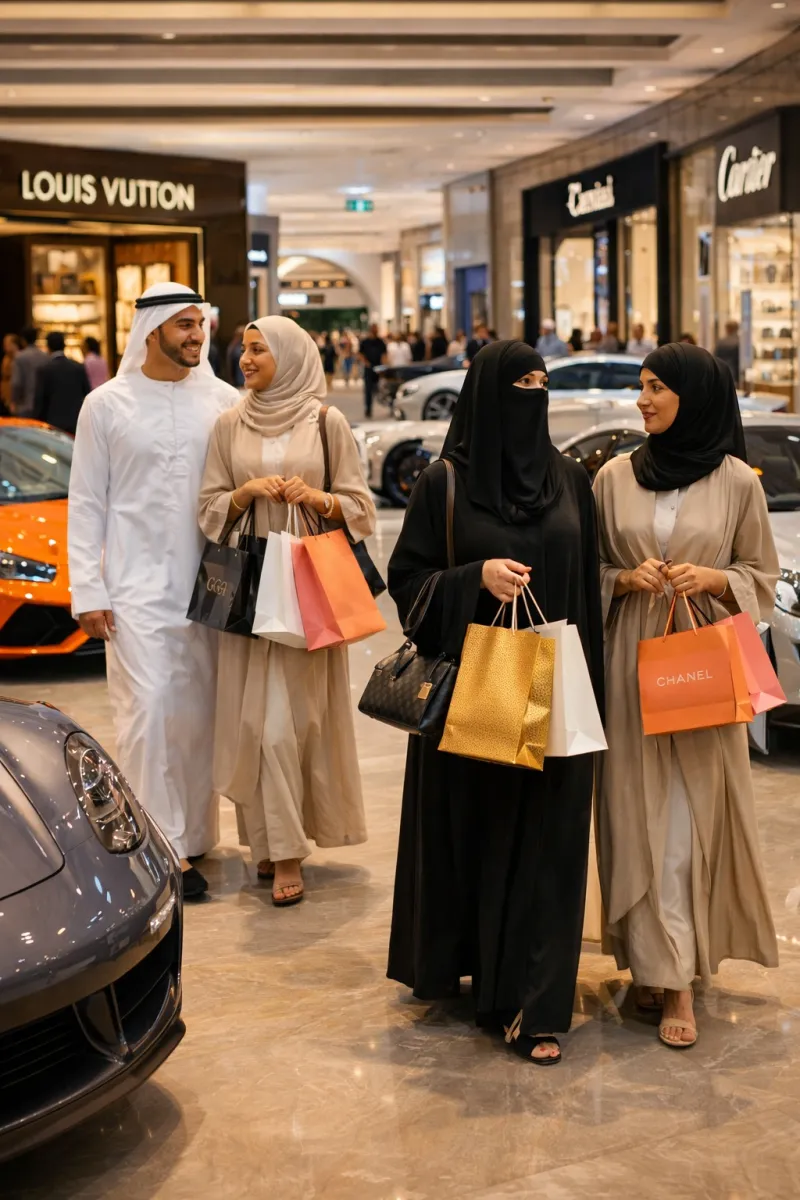
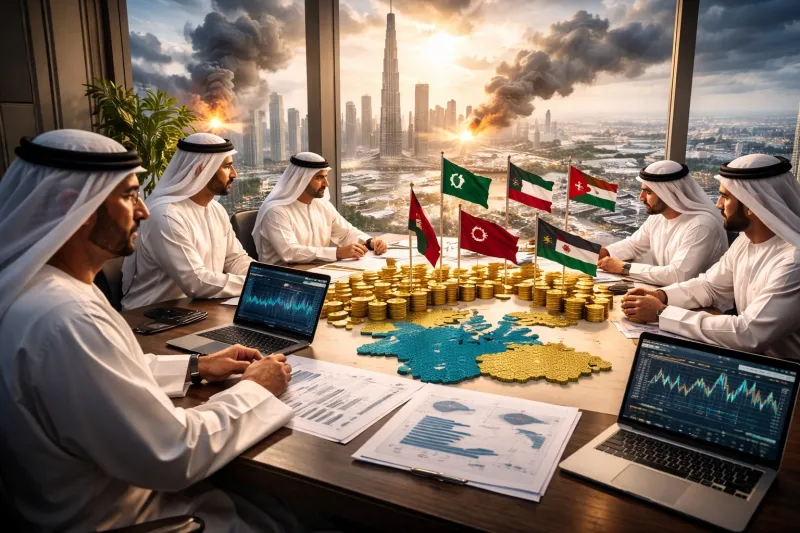
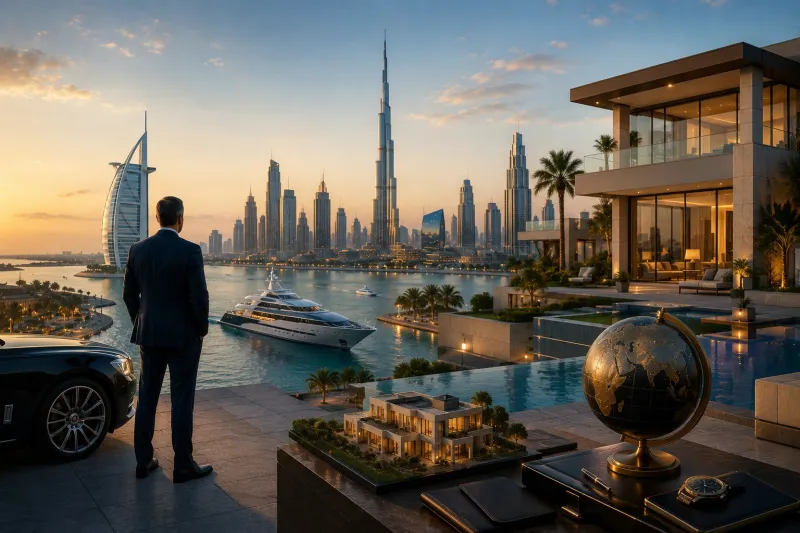
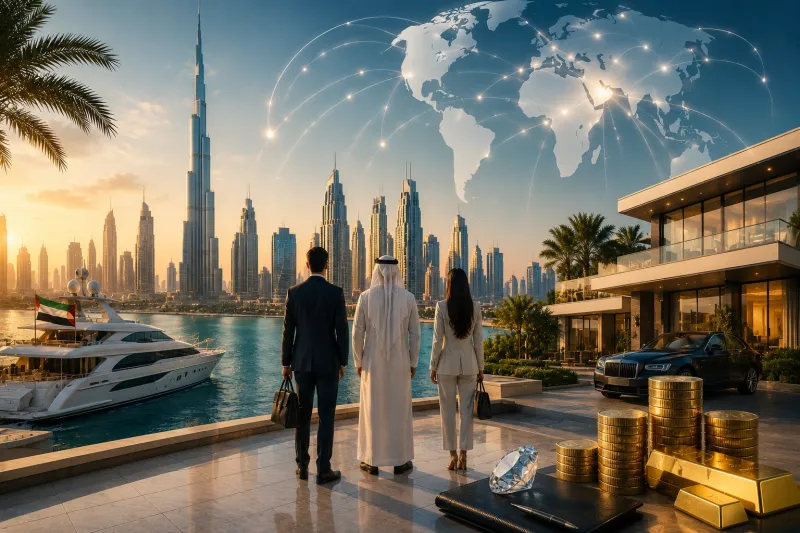
The Middle East and Africa markets display optimism, benefiting from increased wealth accumulation and stable energy revenues. Luxury real estate and high-end retail sectors continue to attract HNWI investment, driven by long-term confidence in regional growth.
Luxury sectors adapting to shifting HNWI priorities
Brands within the luxury sector are responding to cautious consumer behavior by emphasizing exclusivity, personalization, and sustainability. This includes innovations in bespoke products, ethical sourcing, and digital engagement platforms tailored to evolving HNWI values.
The role of digital and virtual luxury experiences
Digital transformation plays a pivotal role as more HNWIs engage with virtual luxury experiences, from online auctions to augmented reality showrooms. This shift offers brands new channels to connect with consumers who prefer convenience and immersive experiences over traditional retail.
Wealth preservation influencing luxury investment choices
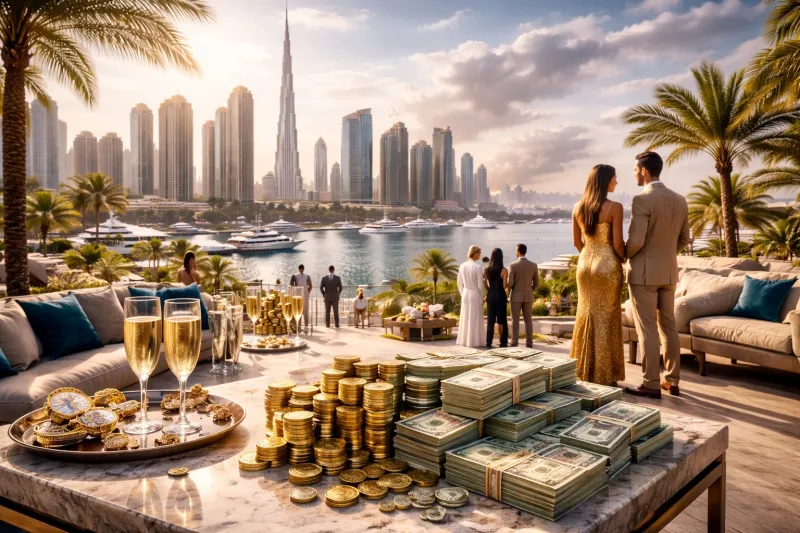
HNWI caution is also reflected in the preference for luxury assets that serve as wealth preservation tools, such as fine art, classic cars, and rare collectibles. These investment-grade luxury items are increasingly prioritized for their potential to maintain or grow value amid uncertain economic environments.
Writer focused on delivering informative, accessible content