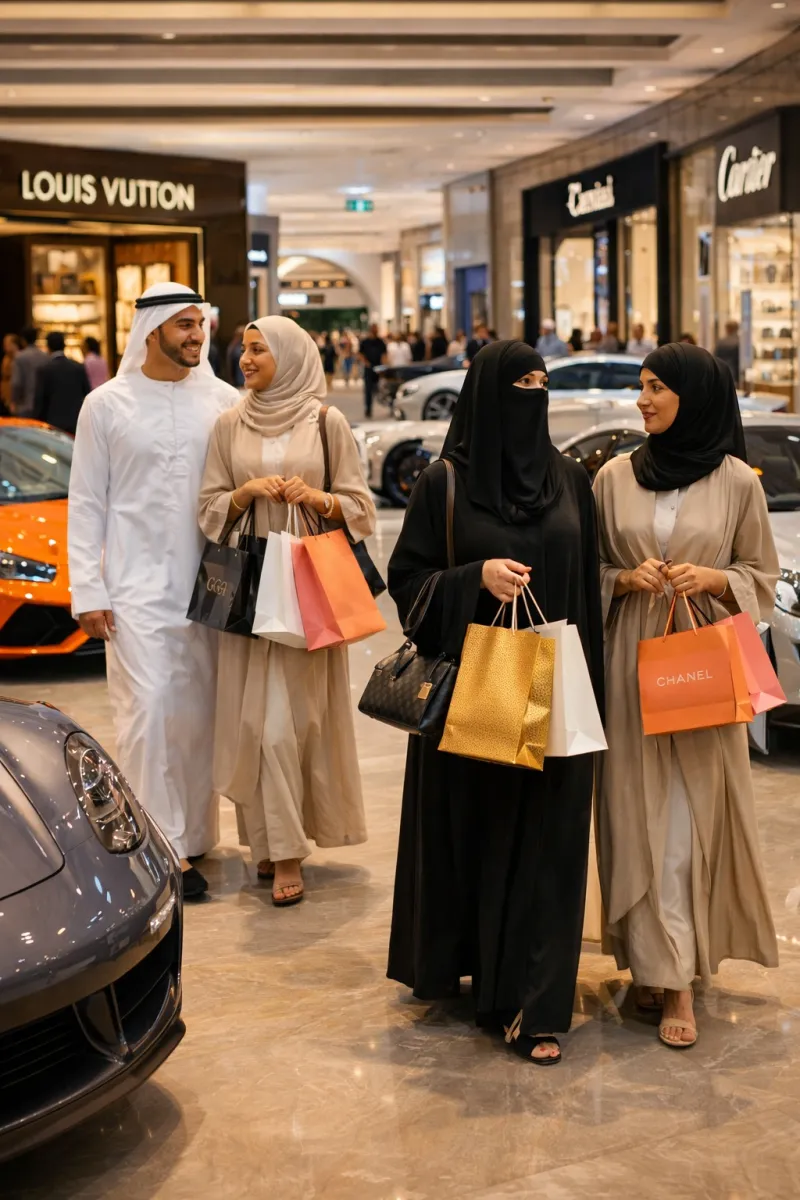
Middle East Wealth Inflows and Luxury Spending Set to Outpace Global Markets in 2025–2026
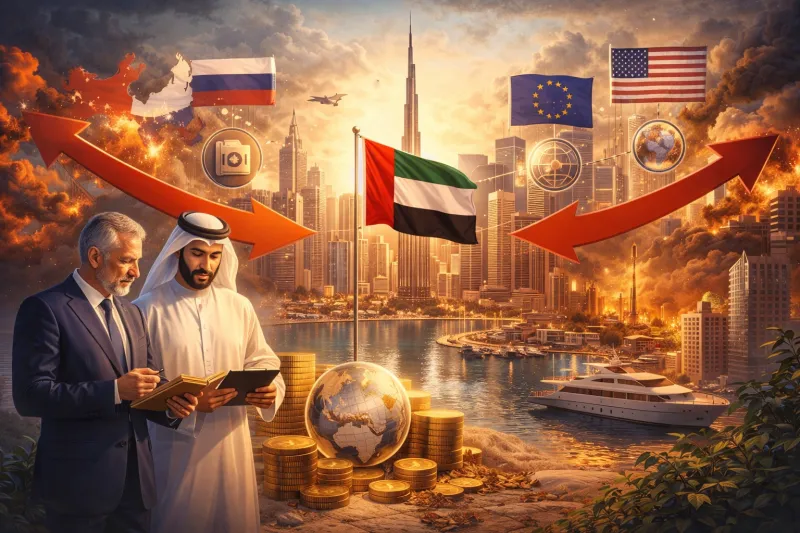
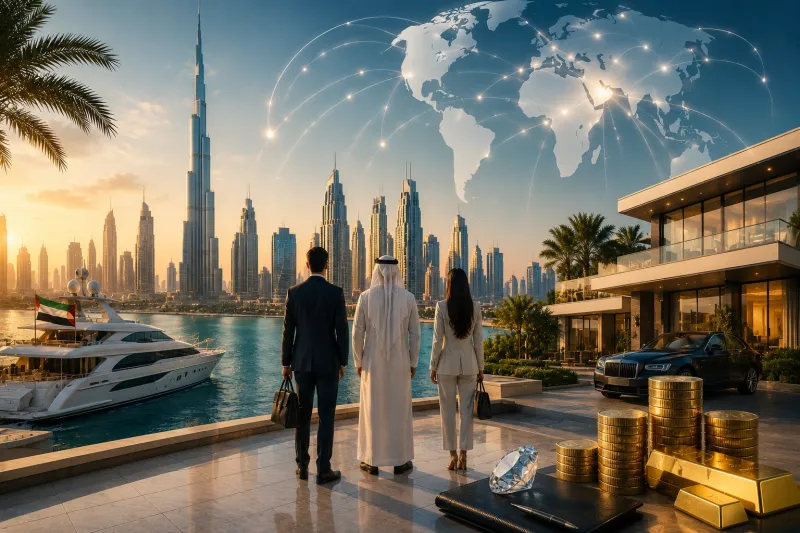
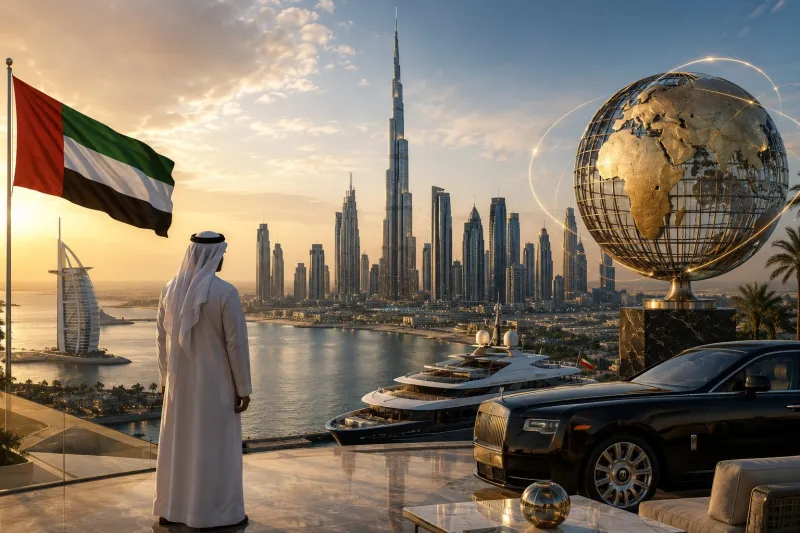
The Middle East has emerged as a premier destination for new millionaires and a thriving luxury market, with the United Arab Emirates (UAE) and Saudi Arabia leading the charge as top magnets for global high‑net‑worth individuals (HNWIs). These trends reflect strong wealth inflows driven by competitive residency incentives, business‑friendly environments, and robust tourism, helping position the region ahead of traditional luxury hubs even as demand softens elsewhere.
Record Wealth Migration to the Gulf
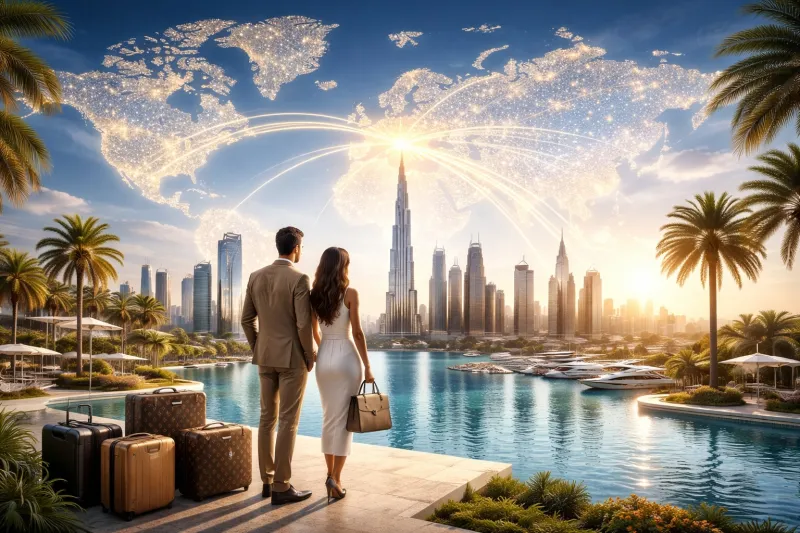
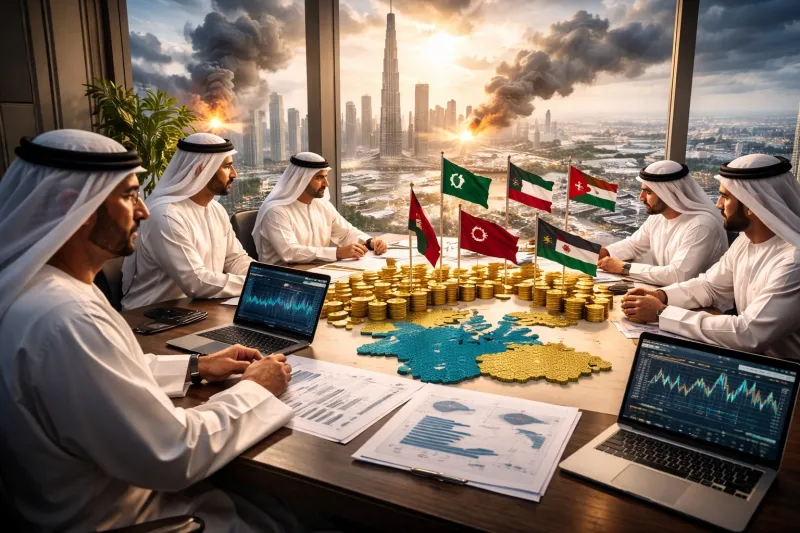
According to the Henley Private Wealth Migration Report 2025, the UAE is expected to attract about 9,800 new millionaires in 2025, the highest projected inflow in the world. This dwarfs other countries and underscores the Emirates’ growing reputation as a global wealth hub. Saudi Arabia, meanwhile, is forecast to experience a 700% surge in millionaire inflows in the same period, rising sharply as reforms under Vision 2030 and investments in diverse sectors make it an increasingly attractive base for HNWIs.
The appeal of the UAE and Saudi Arabia is rooted in a mix of economic opportunity, favourable tax and residency programmes, and lifestyle advantages. The UAE’s Golden Visa and similar initiatives have been regularly expanded, including categories for professionals, investors, and specialists in creative and digital fields, enhancing long‑term residency prospects.
Luxury Spending Defies Global Headwinds
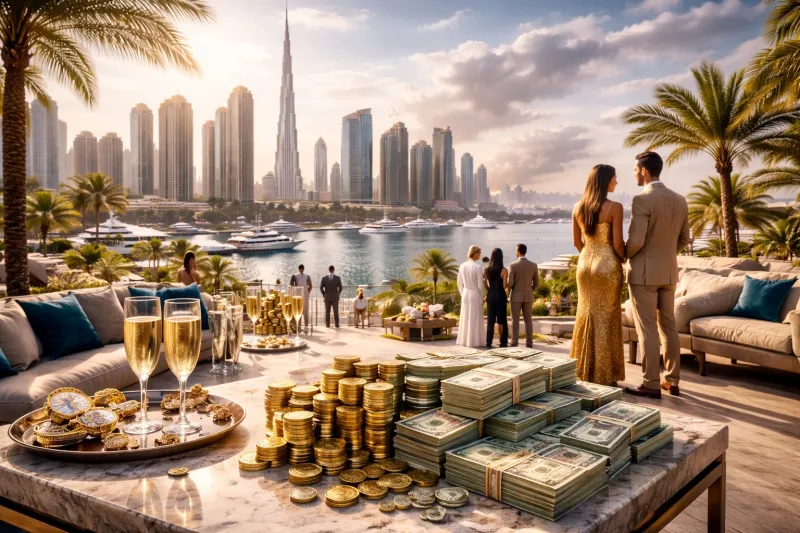
While many global luxury markets face softening demand, the Middle East’s luxury goods sector is forecast to grow between 4 % and 6 % in 2025, according to industry studies. This continued expansion positions the Gulf as one of the world’s most resilient luxury regions, bolstered by strong tourism inflows and sustained local spending.
Dubai and Abu Dhabi, in particular, benefit from robust international tourist arrivals, which support high‑end retail, hospitality, and experiential luxury sectors. These cities have become key shopping destinations during major events such as the Dubai Shopping Festival and attract millions of visitors seeking premium products and services.
Tourism and Real Estate Amplify Wealth Dynamics
Luxury demand in the UAE and Saudi Arabia is closely linked to tourism, real estate investment, and a growing expatriate population. Wealth migration and tourist spending complement each other: wealthy newcomers often invest in prime property, while luxury shopping and lifestyle experiences boost per‑visitor spending.
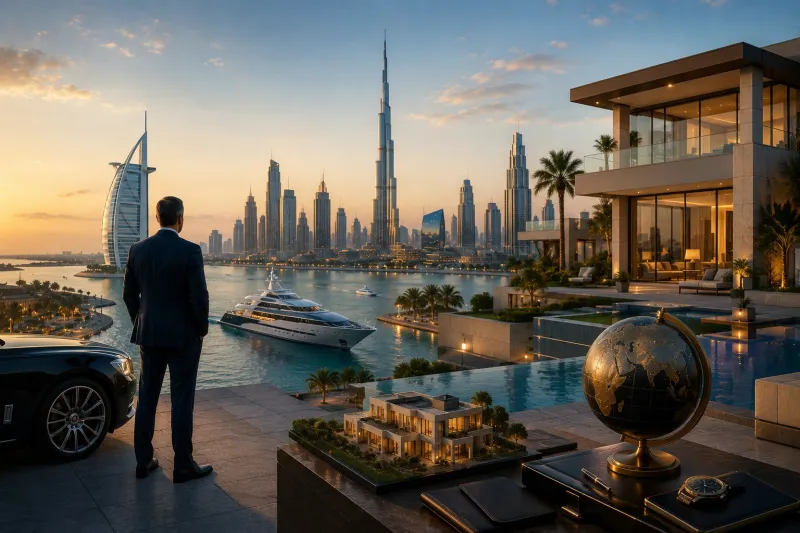
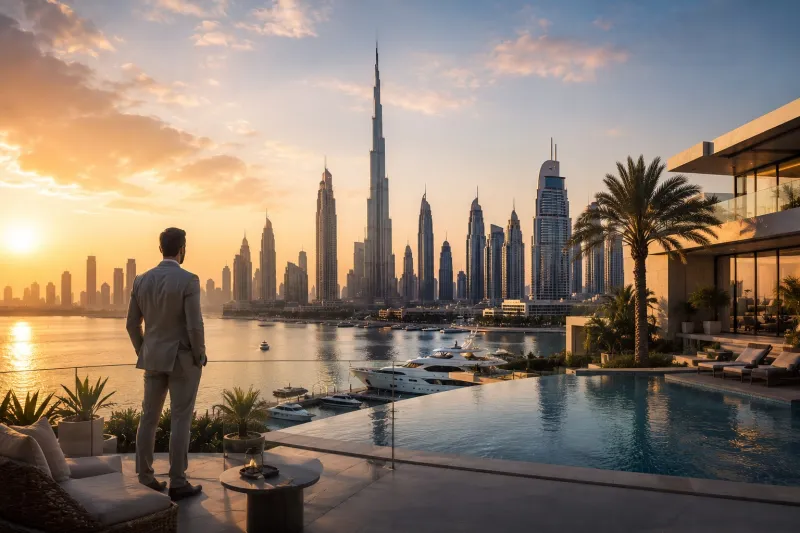
In Dubai, prime property sales have seen significant growth, with HNWIs increasingly purchasing high‑end homes and branded residences. The emirate’s strategic location, zero personal income tax, and world‑class infrastructure add appeal for individuals seeking both lifestyle and capital preservation.
Saudi Arabia’s ongoing reforms under Vision 2030 are similarly reshaping its wealth landscape, with investments in mega‑projects like NEOM, tourism infrastructure, and diversified economic sectors drawing global attention.
Outlook: Strong Growth and Global Influence
Together, the UAE and Saudi Arabia are redefining the global luxury and wealth migration map. With policies that enhance residency incentives, promote economic diversification, and capitalize on tourism growth, the Middle East stands out as a region where wealth inflows and luxury spending are on an upward trajectory even as other major markets cool.
These trends suggest long‑term momentum for both nations as wealth hubs and luxury consumption centres, cementing their roles in the global economy and attracting more high‑net‑worth residents and visitors in the years ahead.
Writer focused on delivering informative, accessible content