
2026 Stress Test: Dubai real estate navigates supply pressure and geopolitics
Dubai's real estate sector stands at a critical juncture in 2026, confronting significant supply pressures while maneuvering through an increasingly complex geopolitical landscape. The city's property market, long praised for its resilience and rapid growth, now faces a stringent stress test that may redefine its trajectory in the years to come.
- Rising inventory levels intensify supply pressure
- Shifting demand patterns reshape buyer profiles
- Geopolitical tensions influence investor confidence
- Government measures mitigate market volatility
- Infrastructure development supports market resilience
- Technological innovations transform property transactions
- Rental market dynamics respond to supply and demand shifts
- Sustainable real estate gains traction amid investor focus
- Economic diversification influences real estate demand
- Future outlook amid ongoing uncertainties
Rising inventory levels intensify supply pressure
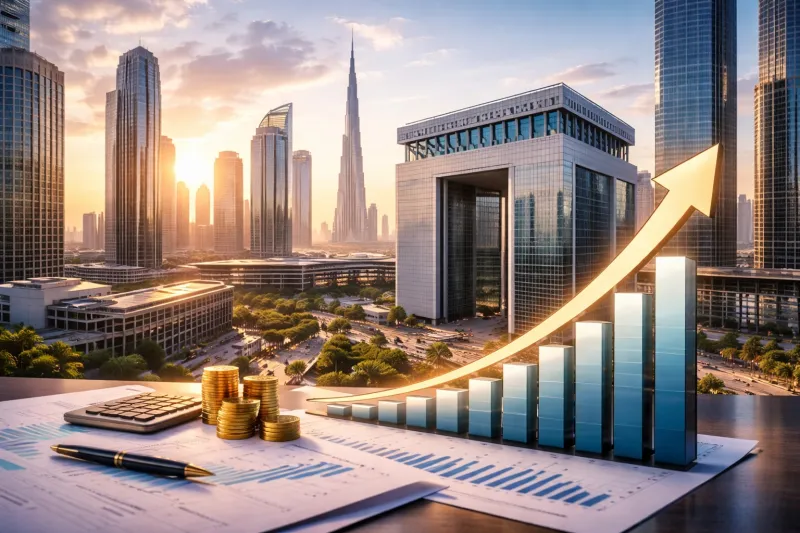
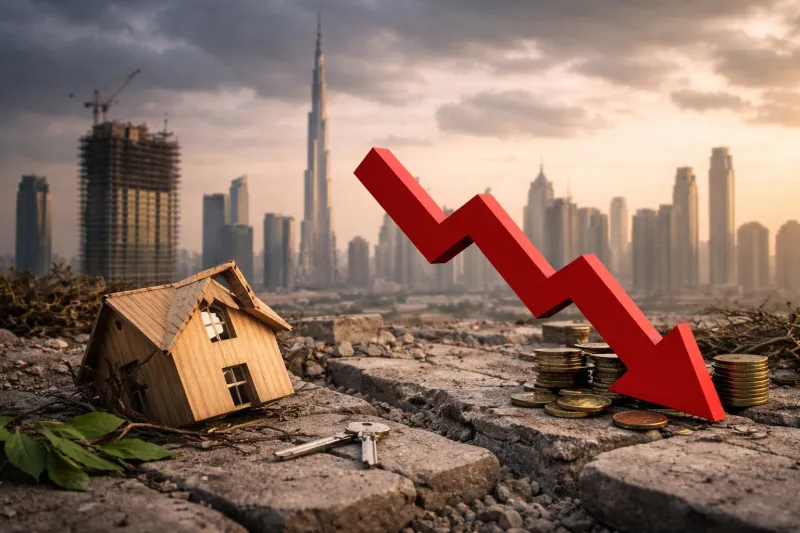
One of the foremost challenges facing Dubai's real estate in 2026 is the surge in property inventory. Developers have accelerated project completions to meet pre-pandemic demand, inadvertently flooding the market with new units. Consequently, increased supply is causing a softening in prices as buyers are presented with more options and greater bargaining power.
Shifting demand patterns reshape buyer profiles
The profile of buyers in Dubai has evolved amid global economic changes and the ongoing effects of the pandemic. There is a noticeable trend toward investors seeking high-yield, affordable units, while luxury property interest shows signs of plateauing. Additionally, foreign buyers are diversifying, targeting different asset classes and locations within the emirate.
Geopolitical tensions influence investor confidence
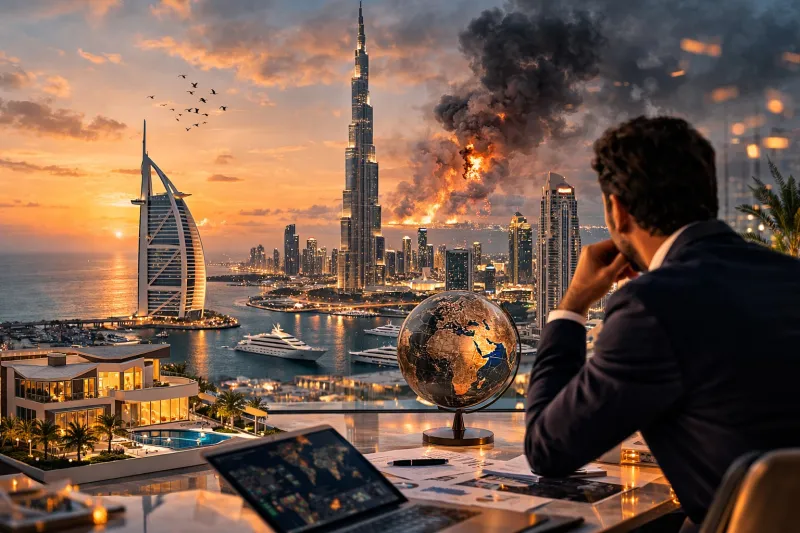
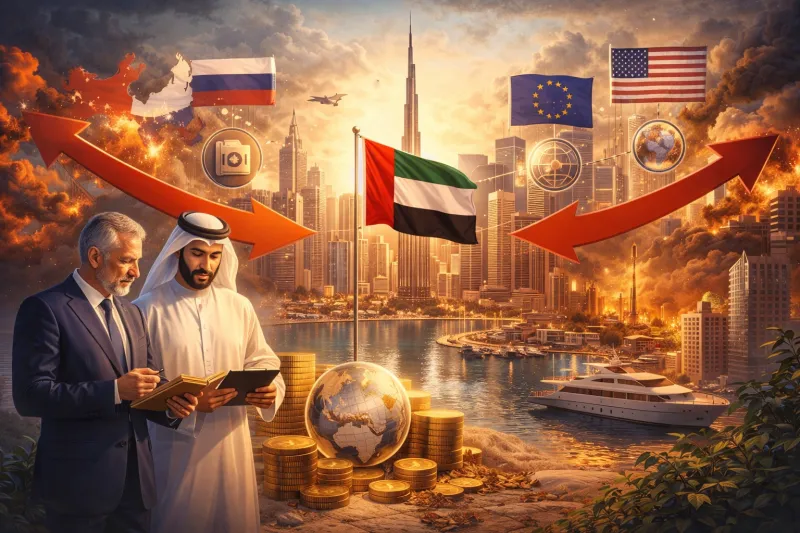
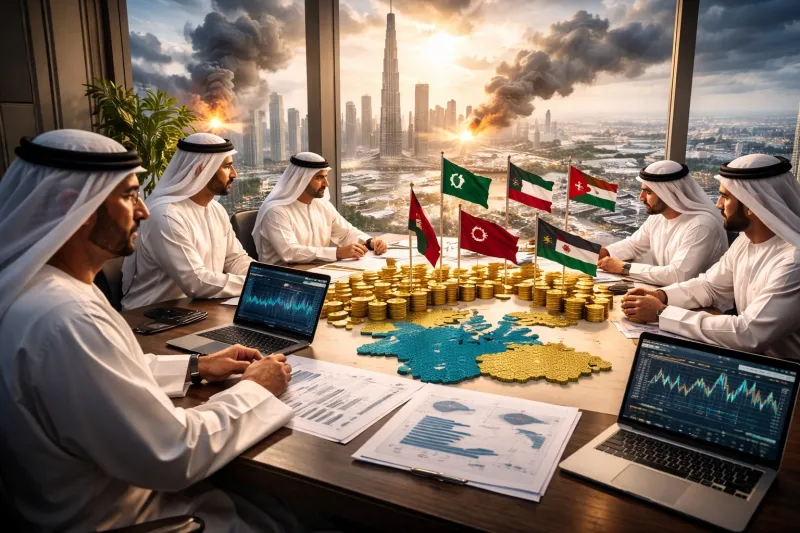
Dubai's strategic position in the Middle East exposes its real estate market to fluctuations tied to regional geopolitics. Heightened tensions between neighboring countries and broader global conflicts have injected uncertainty into investor sentiment. Risk-averse investors are increasingly monitoring political developments closely before committing capital.
Government measures mitigate market volatility
The Dubai government has introduced a mix of regulatory policies and incentives aimed at stabilizing the property market. These include modifications to visa rules, easing of transaction processes, and campaigns to attract foreign direct investment. Such measures help cushion the real estate sector from extreme fluctuations during turbulent geopolitical times.
Infrastructure development supports market resilience
Ongoing investments in infrastructure, including transport networks, smart city technologies, and tourism facilities, continue to bolster Dubai’s appeal as a real estate destination. Enhanced connectivity and urban amenities contribute to sustained demand, especially in emerging submarkets. The government's long-term focus on sustainable urban growth sustains buyer interest amid supply pressures.
Technological innovations transform property transactions
Dubai's adoption of cutting-edge technology in real estate, such as blockchain for property registrations and AI-driven valuation tools, improves market transparency and efficiency. These innovations reduce friction in buying and selling processes, attracting tech-savvy investors and enhancing overall market stability.
Rental market dynamics respond to supply and demand shifts
The rental market in Dubai has been particularly sensitive to the new inventory influx. Increased supply has led to more competitive rental prices, benefiting tenants but challenging landlords to maintain yields. Analysts observe a balancing act between affordability pressures and profitability aspirations in this segment.
Sustainable real estate gains traction amid investor focus
Environmental concerns and global sustainability trends are influencing property development choices in Dubai. Investors are showing growing preference for projects emphasizing energy efficiency, green building certifications, and eco-friendly materials. These factors are becoming key differentiators in attracting discerning buyers in 2026.
Economic diversification influences real estate demand
Dubai's initiatives to diversify its economy beyond oil have a direct impact on real estate demand profiles. Sectors such as finance, technology, and hospitality generate varied requirements for commercial and residential spaces. This diversification underpins a more balanced and sustainable property market outlook despite external pressures.
Future outlook amid ongoing uncertainties
While Dubai’s real estate market faces significant challenges in 2026, including supply glut and geopolitical uncertainties, it also demonstrates adaptability and strategic evolution. Stakeholders remain vigilant, leveraging data-driven insights and policy support to navigate this complex environment. The coming months will be critical in shaping the sector’s long-term resilience and growth pathways.
Writer focused on delivering informative, accessible content