Geopolitical tensions shape wealth strategies, but Dubai remains a key financial hub
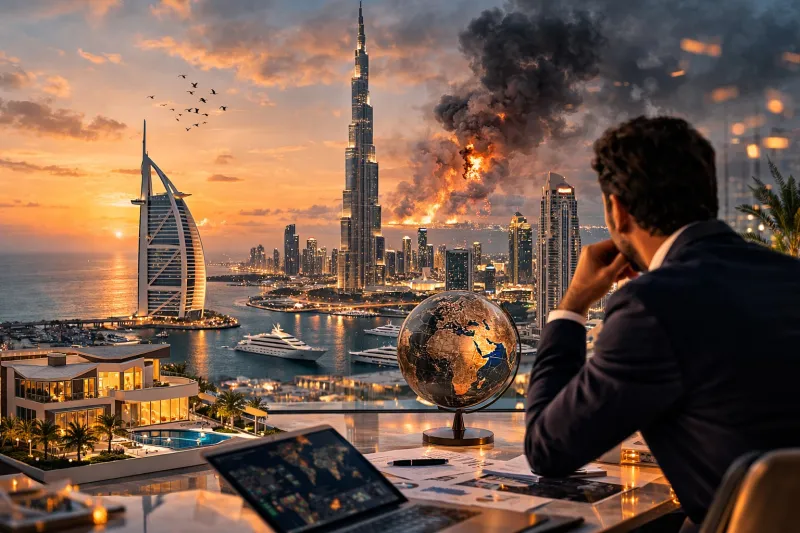
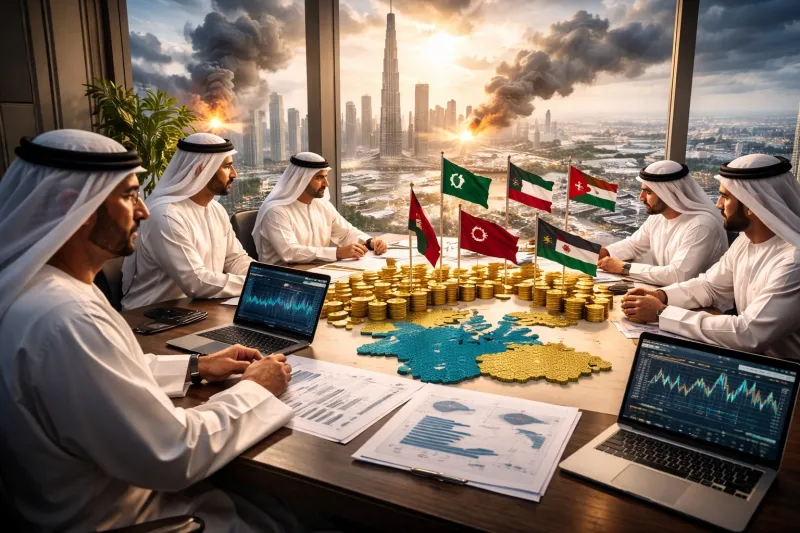
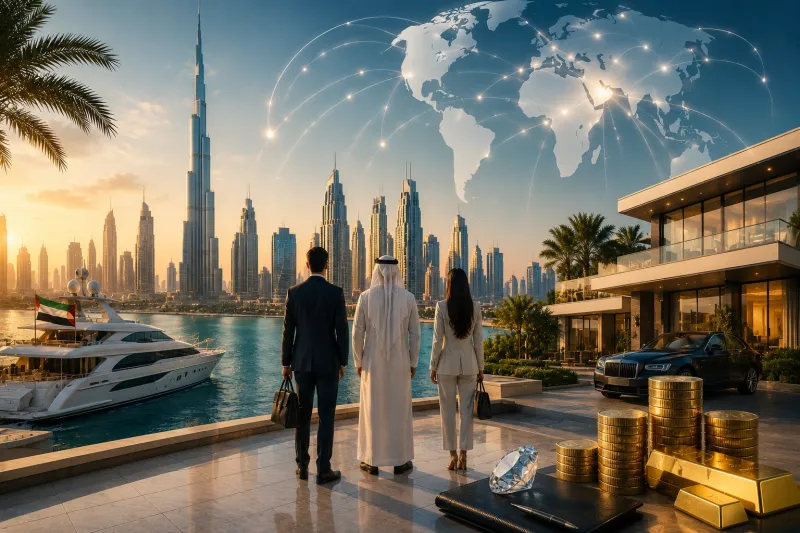
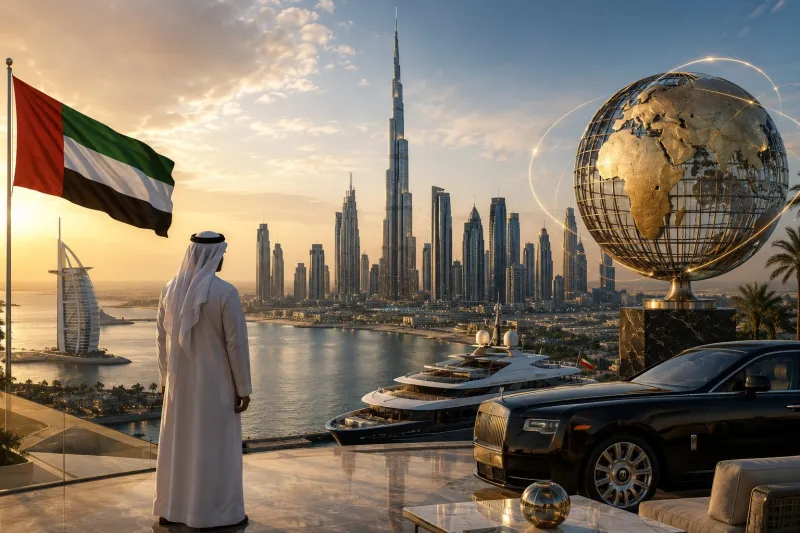
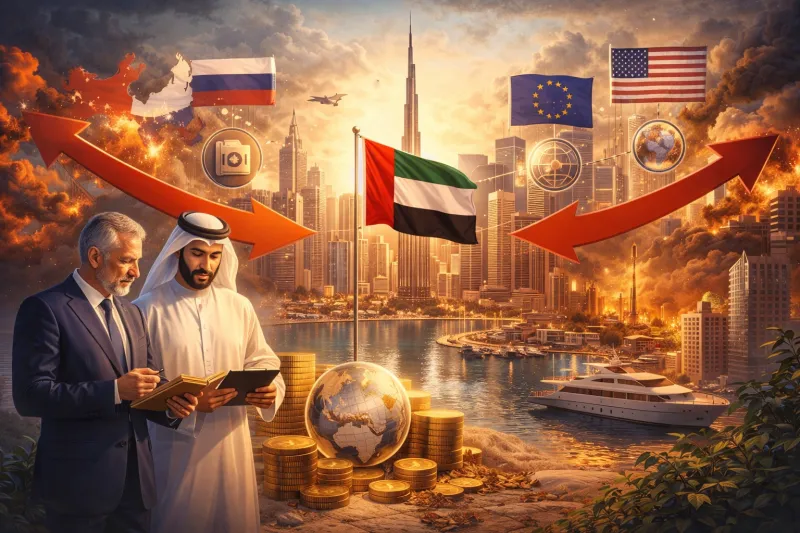
In an increasingly complex global landscape, geopolitical tensions are significantly influencing wealth management strategies worldwide. Investors and high-net-worth individuals are reassessing their portfolios and asset locations to mitigate risks associated with political instability, trade disruptions, and regulatory changes. Amid these shifting dynamics, Dubai continues to solidify its position as a critical financial hub, attracting capital and offering strategic advantages for wealth preservation and growth.
- The impact of geopolitical tensions on global wealth management
- How political instability influences asset allocation
- The rise of alternative wealth preservation methods
- Dubai's strategic location enhances its appeal
- Robust regulatory environment attracts global investors
- Financial services innovation keeps Dubai on the cutting edge
- Safe haven status amidst regional uncertainties
- The role of real estate in Dubai’s wealth ecosystem
- How Dubai fosters international business partnerships
- The outlook for Dubai amid evolving geopolitical landscapes
The impact of geopolitical tensions on global wealth management
Geopolitical tensions such as trade wars, regional conflicts, and sanctions are reshaping how investors approach wealth management. Uncertainty prompts diversification across geographies and asset classes to hedge against political and economic shocks. Cross-border investments are often subject to increased scrutiny, prompting a need for more agile and resilient wealth strategies.
How political instability influences asset allocation
Political instability in certain regions can lead to significant market volatility, influencing investors to reallocate assets towards more stable environments. Strong regulatory frameworks and economic stability become critical factors when selecting jurisdictions for asset deployment. As a result, many are shifting assets to neutral or emerging hubs perceived as having lower risk profiles.
The rise of alternative wealth preservation methods
In the face of fluctuating geopolitical climates, alternative wealth preservation strategies such as investing in precious metals, real estate, and private equity have gained traction. These methods offer refuge from traditional market risks and enable investors to preserve capital in a variety of economic conditions.
Dubai's strategic location enhances its appeal
Dubai’s unique geographic location bridges East and West, making it a pivotal nexus for global commerce and finance. This positioning offers convenient access to key markets in Asia, Africa, and Europe, which is invaluable for investors looking to diversify regionally while managing geopolitical risks.
Robust regulatory environment attracts global investors
Dubai boasts a transparent and evolving regulatory framework tailored to international investors’ needs. The presence of free zones with favorable tax regimes, along with efficient legal structures, provides a secure environment for wealth management and cross-border transactions.
Financial services innovation keeps Dubai on the cutting edge
Dubai has embraced fintech innovation and digital banking, enhancing the efficiency and accessibility of financial services. This technological advancement supports wealth managers and investors who demand seamless, real-time access to their portfolios and the ability to respond quickly to geopolitical shifts.
Safe haven status amidst regional uncertainties
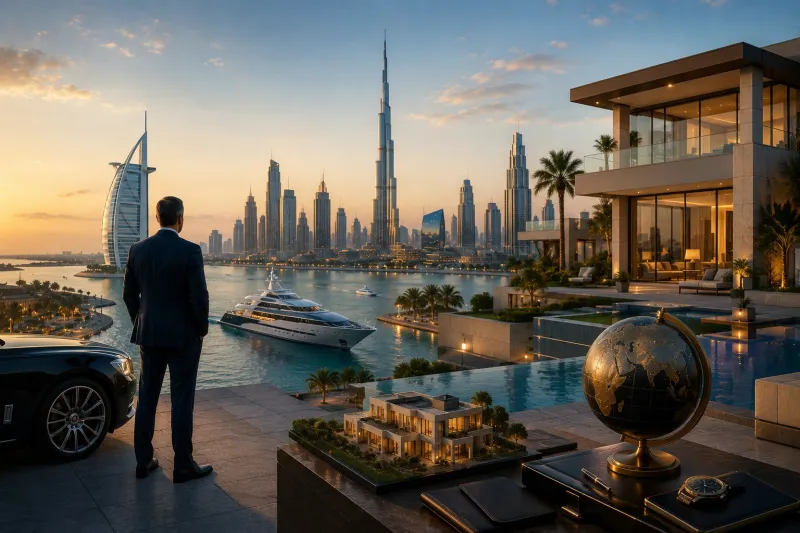
Despite regional geopolitical tensions in the Middle East, Dubai is often perceived as a safe haven due to its political stability and robust economic growth policies. This perception drives capital inflows from neighboring countries and international investors seeking shelter from volatility.
The role of real estate in Dubai’s wealth ecosystem
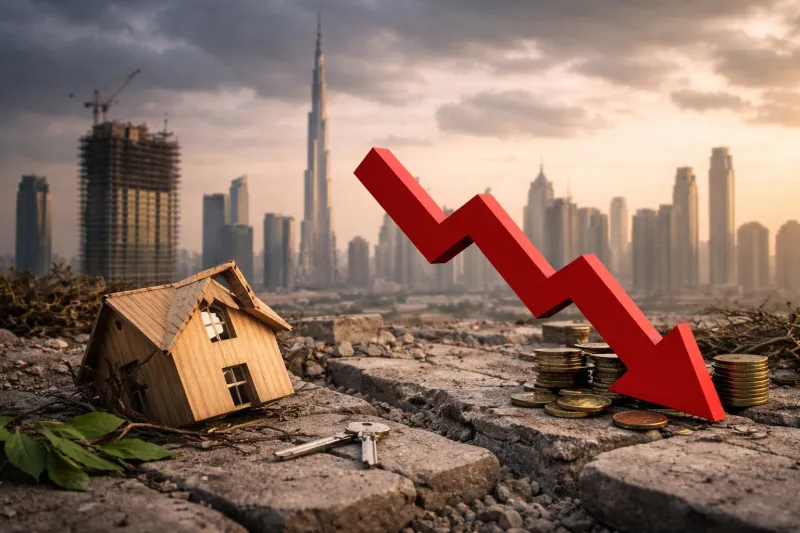
Dubai’s real estate market remains a core element of its wealth ecosystem, providing tangible assets with potential for appreciation and rental income. Many investors incorporate Dubai property into diversified portfolios to achieve balance against other asset classes affected by geopolitical uncertainties.
How Dubai fosters international business partnerships
Dubai’s inclusive economic policies encourage cross-border collaborations, joint ventures, and strategic partnerships. This environment supports multinational corporations, family offices, and private investors in expanding their business networks and optimizing wealth strategies across multiple jurisdictions.
The outlook for Dubai amid evolving geopolitical landscapes
Looking ahead, Dubai is expected to maintain its prominence as a financial hub by continuously adapting to global economic and geopolitical trends. Its commitment to innovation, regulatory excellence, and strategic economic planning positions it well to serve the complex needs of savvy global investors navigating an uncertain world.
Writer focused on delivering informative, accessible content