Middle East luxury shifts as wealthy consumers embrace local brands
The luxury market in the Middle East is undergoing a significant transformation as affluent consumers increasingly turn their attention to homegrown brands. This pivot reflects a broader cultural pride and a desire for authenticity that challenges traditional dominance by international luxury labels. As local designers and brands gain acclaim, the Middle East’s luxury landscape is evolving into a more diverse and dynamic ecosystem.
- Changing consumer attitudes in the Middle East
- Rise of local luxury designers
- Cultural heritage as a luxury differentiator
- Strategic government support and initiatives
- Digital transformation accelerating local brand exposure
- Luxury hospitality and retail reflecting local tastes
- Sustainability and ethical production gaining importance
- Collaborations between local and international brands
- Challenges local brands face in scaling luxury markets
- Middle East’s luxury future shaped by authenticity and innovation
Changing consumer attitudes in the Middle East
Wealthy consumers in the Middle East are exhibiting a notable shift in preferences, driven by a growing interest in products that resonate with their cultural heritage and values. This trend is empowered by a younger generation, more confident in expressing regional identity and less influenced by Western luxury norms. As a result, local brands are becoming increasingly appealing for their authenticity and unique narratives.
Rise of local luxury designers
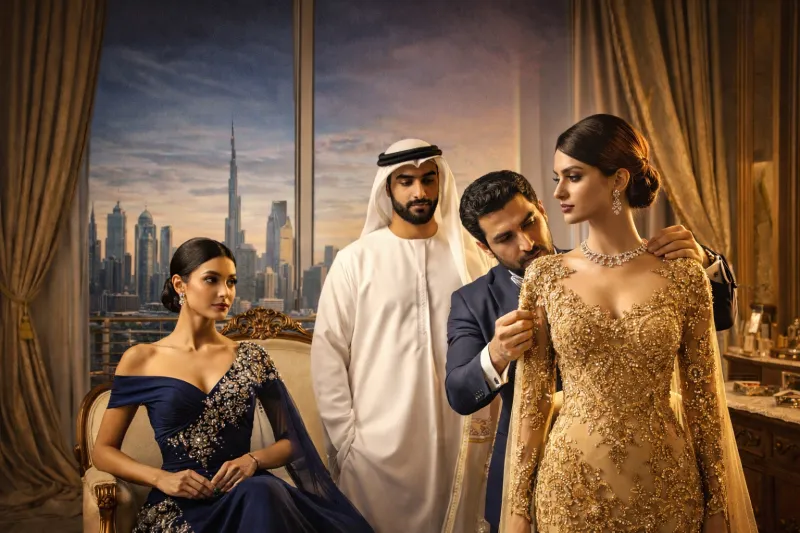
The emergence of local designers is reshaping the luxury landscape. Talents from across the Gulf Cooperation Council (GCC) and wider Middle East region are combining traditional craftsmanship with contemporary aesthetics, creating collections that appeal to modern affluent consumers. These designers are attracting attention on regional and international stages, further boosting the prestige of local luxury.
Cultural heritage as a luxury differentiator
Middle Eastern luxury consumers increasingly value products that reflect their rich cultural heritage. Incorporating Arabic calligraphy, indigenous materials, and Bedouin-inspired motifs allows local brands to offer distinctiveness that global luxury houses may lack. This cultural connection strengthens emotional engagement and forms an important differentiator in the competitive luxury market.
Strategic government support and initiatives
Government initiatives across the region are actively supporting the growth of local luxury businesses. Programs focusing on entrepreneurship, funding, and creative incubators help emerging brands build capacity and increase exposure. Such backing not only nurtures talent but also signals national pride in homegrown luxury as an economic and cultural asset.
Digital transformation accelerating local brand exposure
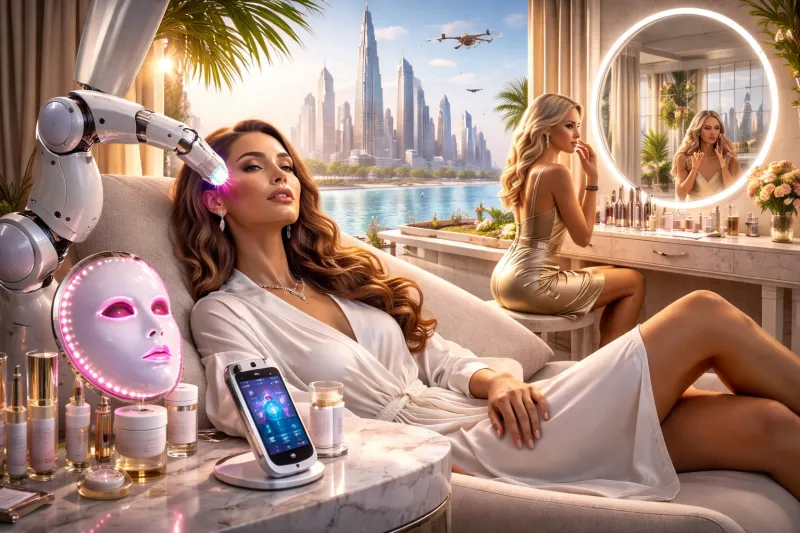
The digital revolution is playing a crucial role in elevating Middle Eastern luxury brands. Social media platforms and e-commerce channels allow brands to reach affluent consumers directly and showcase their unique offerings globally. Influencers and digital storytelling highlight the craftsmanship and authenticity behind local luxury, creating new engagement opportunities outside traditional retail.
Luxury hospitality and retail reflecting local tastes
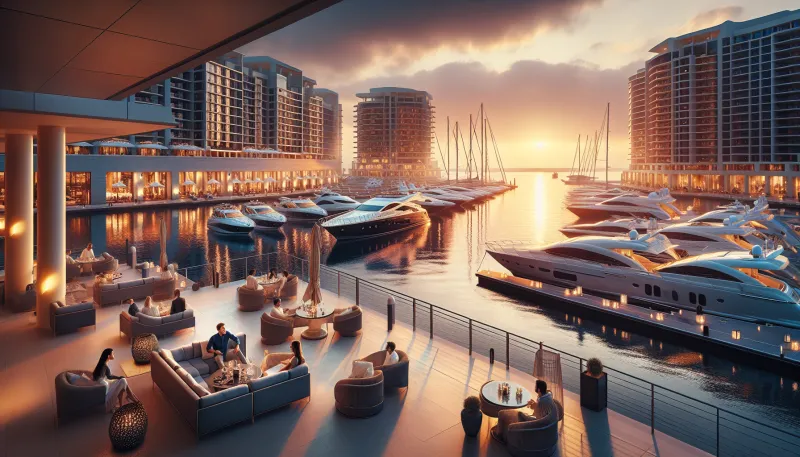
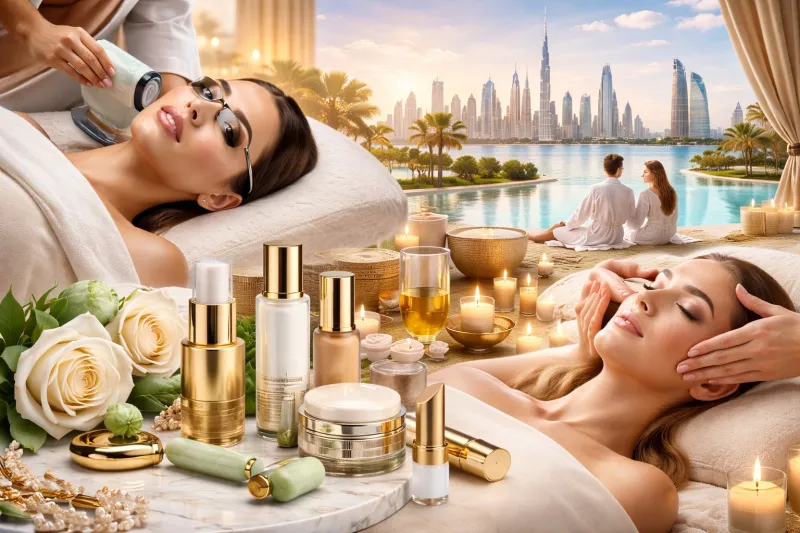
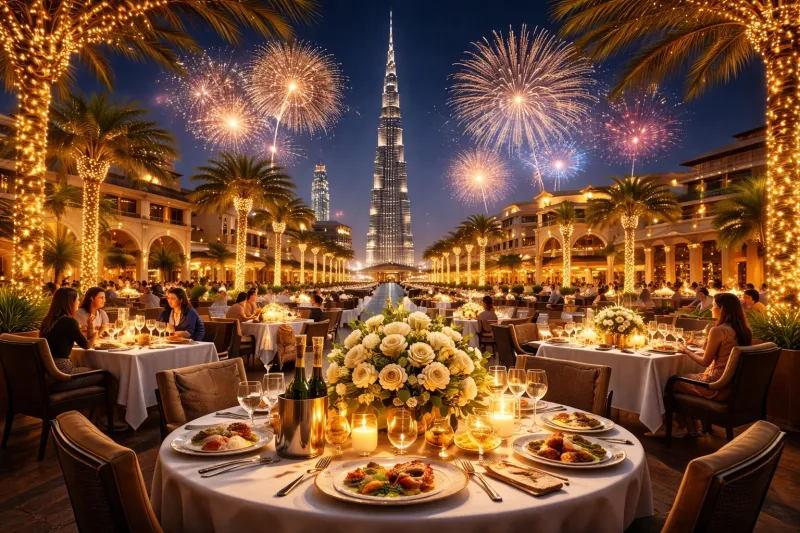
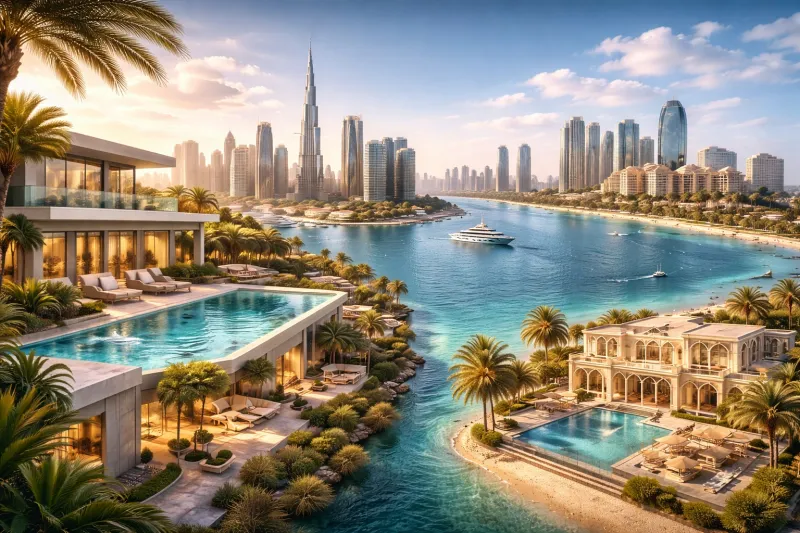
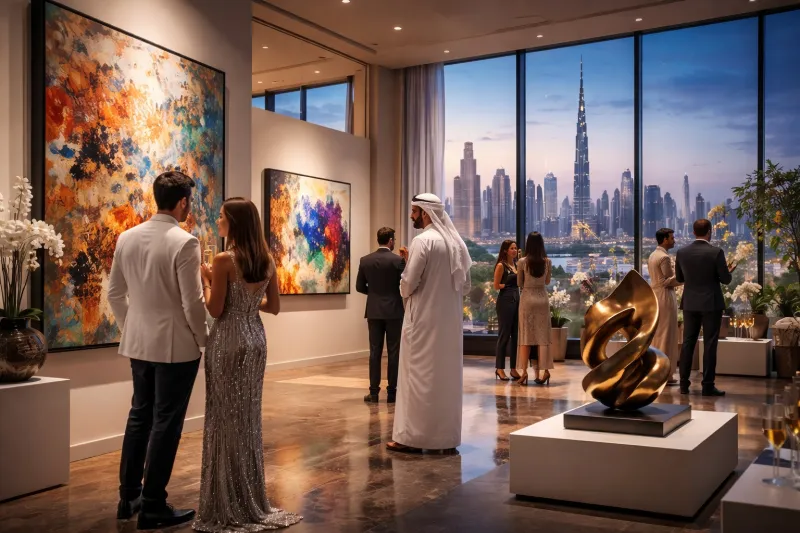
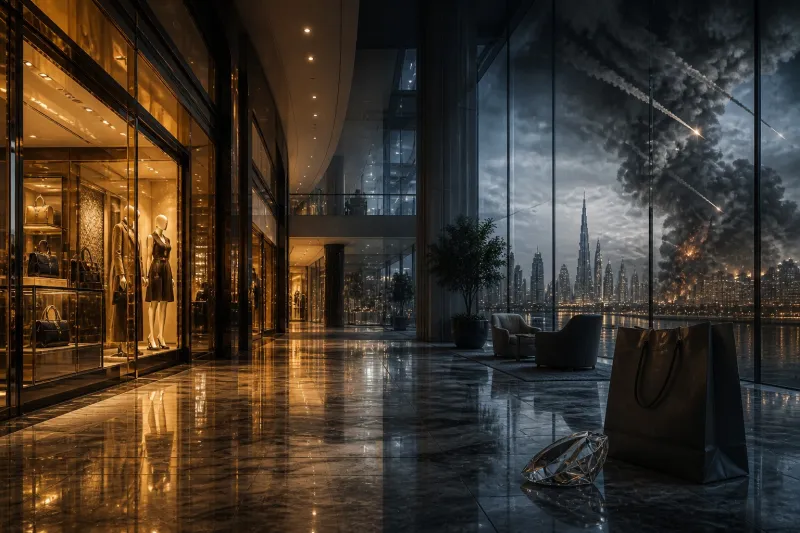
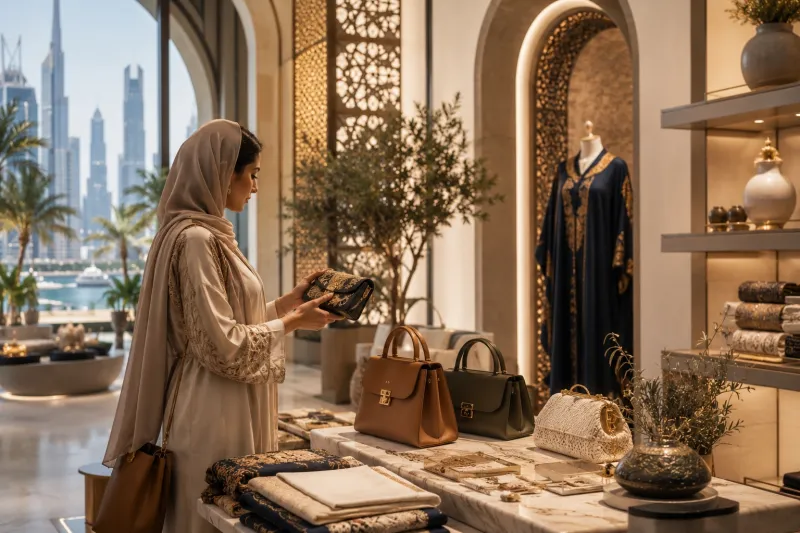
Luxury hospitality and retail sectors in the Middle East are adapting to reflect the preferences of wealthy consumers who favor local brands. Upscale hotels, boutiques, and malls increasingly feature regional designers and bespoke items. These curated experiences blend exclusivity with cultural resonance, strengthening the presence of local luxury within prestigious commercial environments.
Sustainability and ethical production gaining importance
There is a rising awareness among Middle Eastern luxury consumers around sustainability and ethical production. Local brands often leverage traditional, artisanal techniques that emphasize quality and reduced environmental impact. This sustainable focus appeals to a segment of affluent buyers who seek meaningful luxury purchases aligned with values beyond mere status.
Collaborations between local and international brands
Collaborations between Middle Eastern brands and renowned international luxury houses are becoming more common. These partnerships blend global expertise with local cultural knowledge, producing exclusive collections that capture the best of both worlds. Such alliances raise the profile of regional designers and promote cross-cultural exchange in luxury craftsmanship.
Challenges local brands face in scaling luxury markets
Despite the momentum, local luxury brands encounter challenges in scaling beyond regional borders. Issues such as supply chain limitations, market fragmentation, and competition with established global houses create obstacles. However, ongoing investments in infrastructure and strategic marketing aim to overcome these hurdles and enhance global competitiveness.
Middle East’s luxury future shaped by authenticity and innovation
The luxury sector in the Middle East is poised for transformation driven by a synergy of authenticity and innovation. As wealthy consumers embrace products that reflect their identity and values, local brands innovate in design and business models to meet sophisticated demands. This evolution signals a distinctive luxury future rooted in regional pride and global aspiration.
Writer focused on delivering informative, accessible content