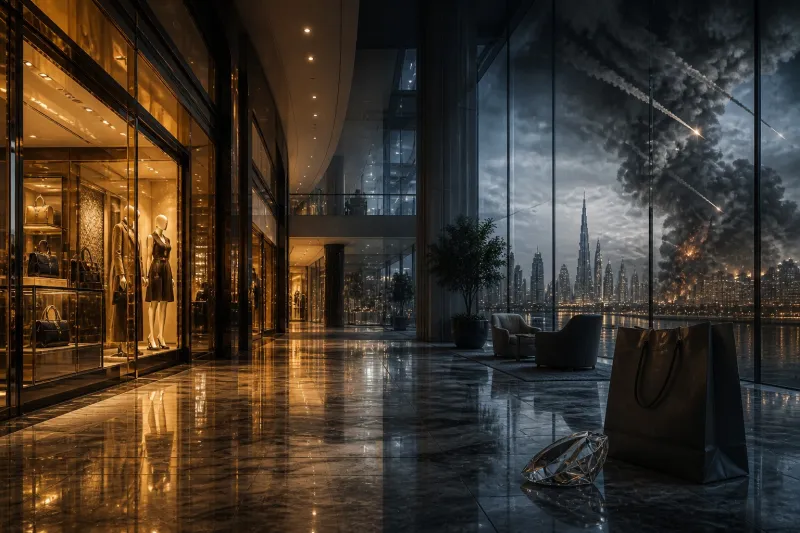
Luxury retail feels the strain as Iran conflict hits UAE mall sales
- Geopolitical tensions disrupt consumer confidence
- Decline in foot traffic at UAE luxury malls
- Luxury brands see sales dips in multiple categories
- The role of regional tourists in luxury retail spending
- Retailers adopt new strategies to counter sales downturn
- Impact on mall landlords and leasing dynamics
- Shift towards online luxury shopping accelerates
- Currency fluctuations add to luxury retail challenges
- Long-term implications for UAE as a luxury shopping hub
- Role of government initiatives to support retail resilience
Geopolitical tensions disrupt consumer confidence
Heightened tensions in the region, particularly concerning Iran, have led to increased uncertainty among shoppers visiting the UAE. This uncertainty has translated into cautious spending habits, especially in high-value luxury segments where consumers may delay or reconsider purchases amidst fears of escalating conflicts.
Decline in foot traffic at UAE luxury malls
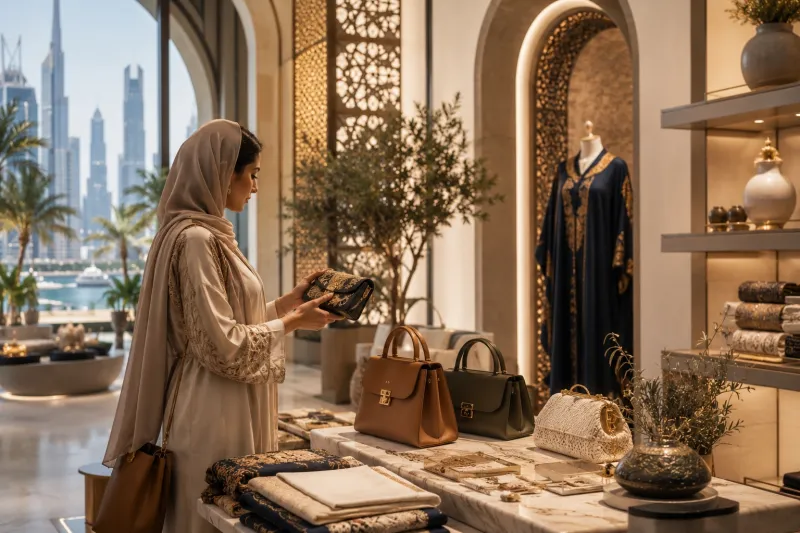
Key luxury shopping malls across Dubai and Abu Dhabi have reported noticeable declines in foot traffic since the onset of the conflict. Visitors from neighboring countries, a significant portion of mall clientele, have decreased due to travel hesitations and safety concerns.
Luxury brands see sales dips in multiple categories
High-end brands spanning fashion, watches, jewelry, and beauty products are witnessing lower sales figures. Luxury watches and jewelry, often considered investment pieces, have particularly suffered as buyers postpone purchases amidst uncertainty.
The role of regional tourists in luxury retail spending
Tourism from Iran, Saudi Arabia, and other Gulf Cooperation Council (GCC) countries plays a crucial role in luxury retail spending in the UAE. The Iran conflict has severely curtailed visitor numbers from these regions, directly affecting sales volumes and mall revenues.
Retailers adopt new strategies to counter sales downturn
In response to declining sales, luxury retailers are implementing new marketing campaigns, offering exclusive deals, and enhancing digital shopping experiences to attract cautious consumers. Efforts include personalized services and virtual consultations aimed at maintaining engagement despite reduced physical visits.
Impact on mall landlords and leasing dynamics
Mall operators are feeling pressure to offer rent relief or flexible leasing terms to retain luxury boutiques. Some landlords have begun reevaluating lease agreements and exploring alternative tenant mixes to stabilize income streams during this period of volatility.
Shift towards online luxury shopping accelerates
The combined effects of geopolitical instability and health concerns have propelled consumers towards online luxury shopping platforms. Brands with robust e-commerce capabilities are better positioned to mitigate losses associated with reduced in-store traffic.
Currency fluctuations add to luxury retail challenges
Volatility in regional currencies, influenced by geopolitical developments, affects pricing and consumer purchasing power. This factor complicates luxury pricing strategies and can deter tourists looking for favourable exchange rates when shopping in the UAE.
Long-term implications for UAE as a luxury shopping hub
While the current conflict has impacted short-term sales, experts caution about possible lasting effects on the UAE's reputation as the Middle East's luxury retail leader. Sustained instability could encourage shoppers to explore alternative markets beyond the region.
Role of government initiatives to support retail resilience
In efforts to bolster the luxury retail sector, UAE authorities have introduced stimulus measures and promotional events to encourage spending. Initiatives include easing visa restrictions and enhancing security assurances to reassure shoppers and tourists alike.
Writer focused on delivering informative, accessible content