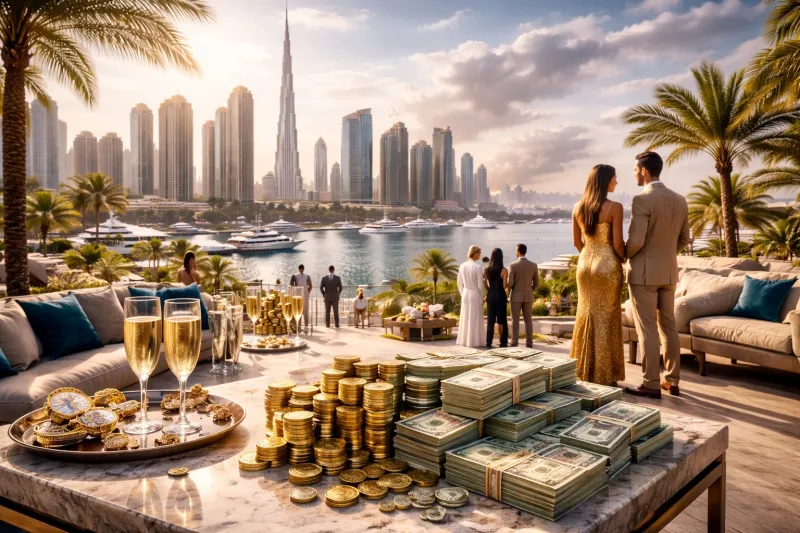
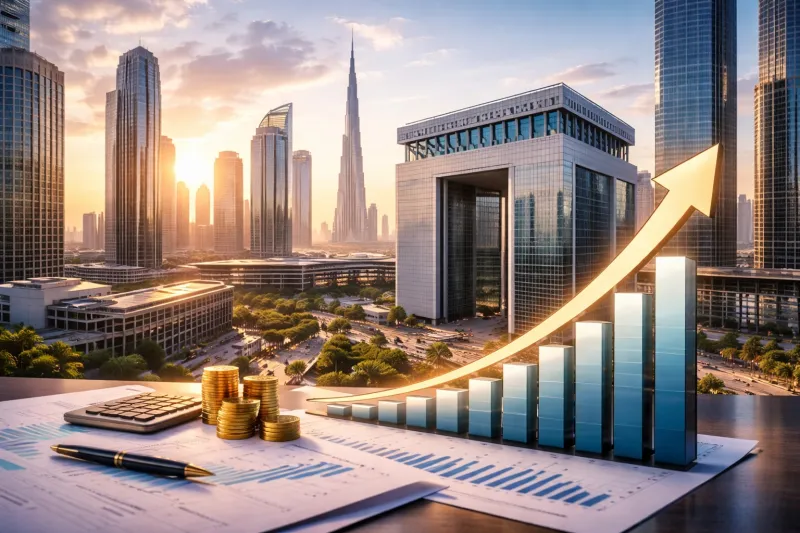
Dubai continues to defy geopolitical and economic uncertainties by attracting a staggering $63 billion inflow from wealthy individuals. Despite ongoing regional tensions and global market volatility, the emirate remains a magnet for millionaires seeking both security and opportunity. This influx not only reinforces Dubai's position as a global financial hub but also reshapes its sociocultural landscape.
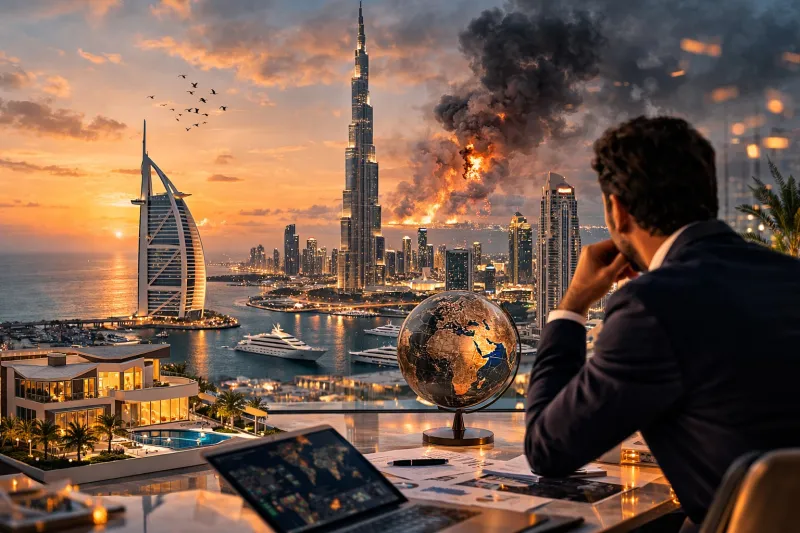
Dubai has long been regarded as a resilient safe haven for investors within the Middle East, renowned for its robust infrastructure, regulatory transparency, and political stability relative to the region. However, the recent escalation of conflicts in the broader Middle East has cast a shadow of uncertainty over Dubai’s financial markets, challenging its standing and creating ripples across investor sentiment worldwide.

The global luxury market is experiencing a wave of caution among High Net Worth Individuals (HNWIs), according to a recent survey. This hesitancy varies significantly across different regions, reflecting diverse economic outlooks, cultural influences, and consumer priorities. The survey sheds light on how wealthy consumers are adapting their luxury spending habits amid shifting global dynamics.
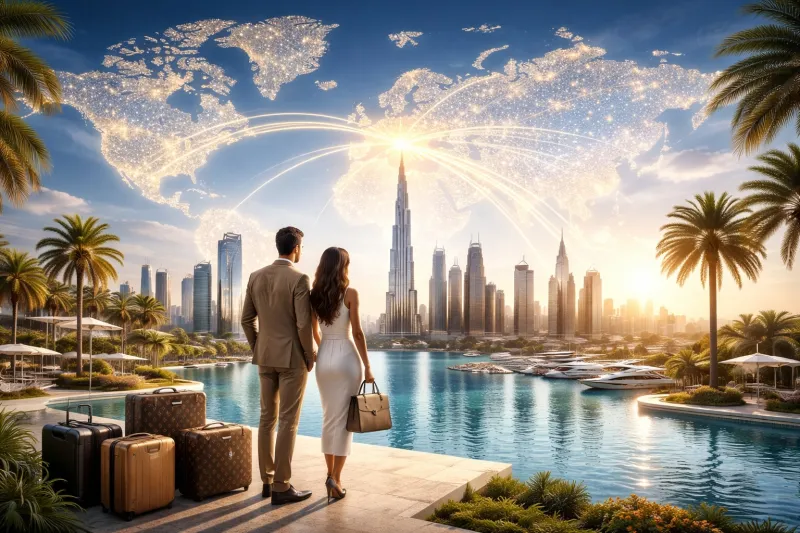
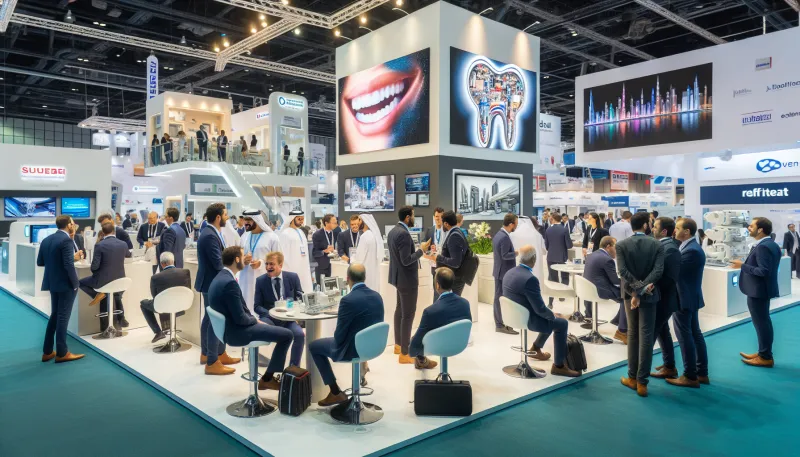
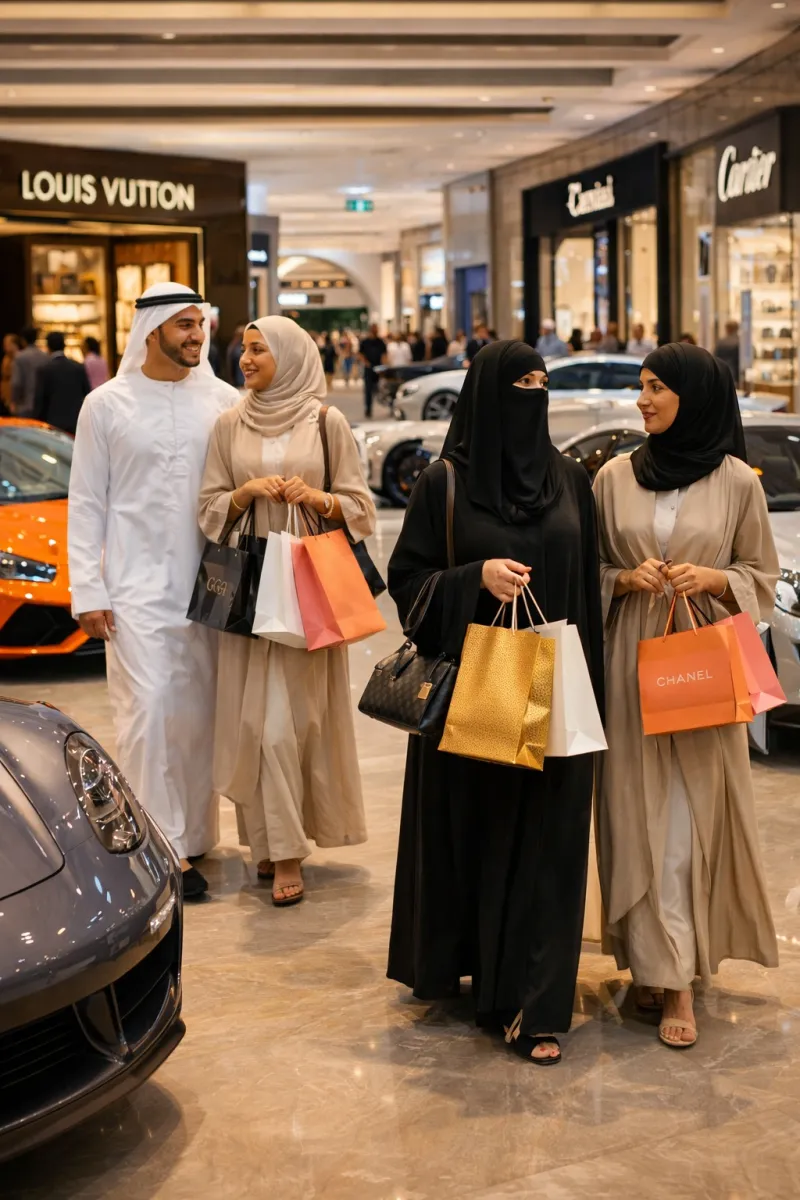
The Middle East has emerged as a premier destination for new millionaires and a thriving luxury market, with the United Arab Emirates (UAE) and Saudi Arabia leading the charge as top magnets for global high‑net‑worth individuals (HNWIs). These trends reflect strong wealth inflows driven by competitive residency incentives, business‑friendly environments, and robust tourism, helping position the region ahead of traditional luxury hubs even as demand softens elsewhere.
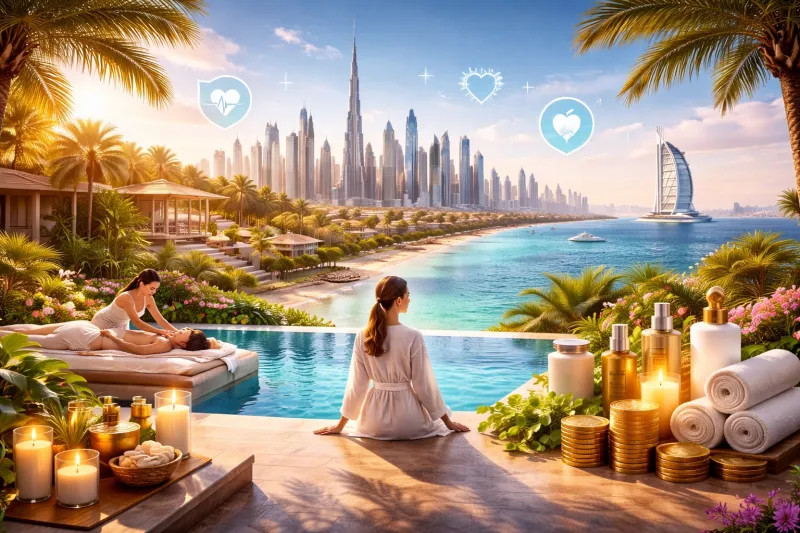
The UAE’s wellness economy has reached a valuation of US$40.8 billion (€37.7 billion, £30.6 billion), according to a new study released by the Global Wellness Institute (GWI), underlining the country’s position as the leading wellness market in the Middle East and North Africa.