Traditional wealth hubs shift as Dubai tops global HNWI rankings
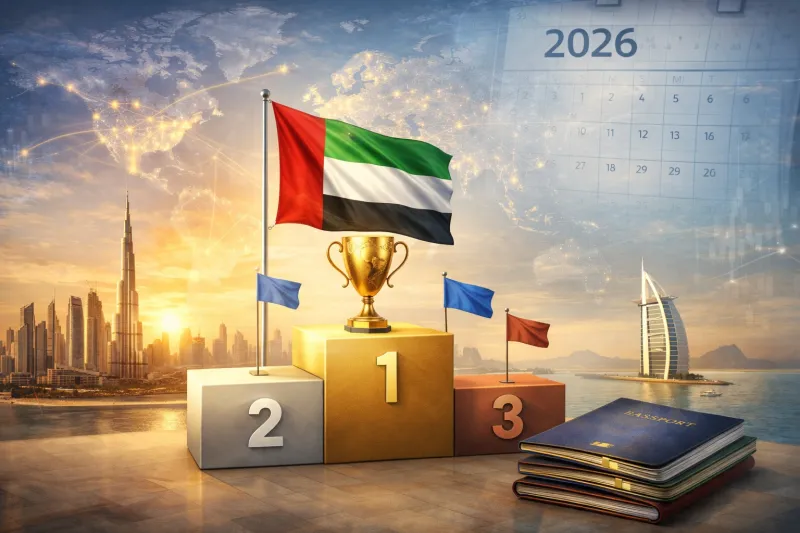
The landscape of global wealth is undergoing a significant transformation as Dubai emerges at the forefront, overtaking traditional centers in the rankings of High Net Worth Individuals (HNWIs). This shift highlights changes in economic opportunities, lifestyle preferences, and geopolitical dynamics that are redefining where the ultra-wealthy choose to reside and invest.
- Dubai’s rise as a premier wealth hub
- Decline of traditional european wealth centers
- The role of tax policies in wealth migration
- Impact of geopolitical stability on wealth distribution
- Lifestyle and luxury amenities as wealth magnets
- Changing economic opportunities driving relocation
- Connectivity and international business networks
- Real estate developments reflecting changing wealth trends
- The influence of residency and citizenship programs
- Future prospects and challenges for global wealth hubs
Dubai’s rise as a premier wealth hub
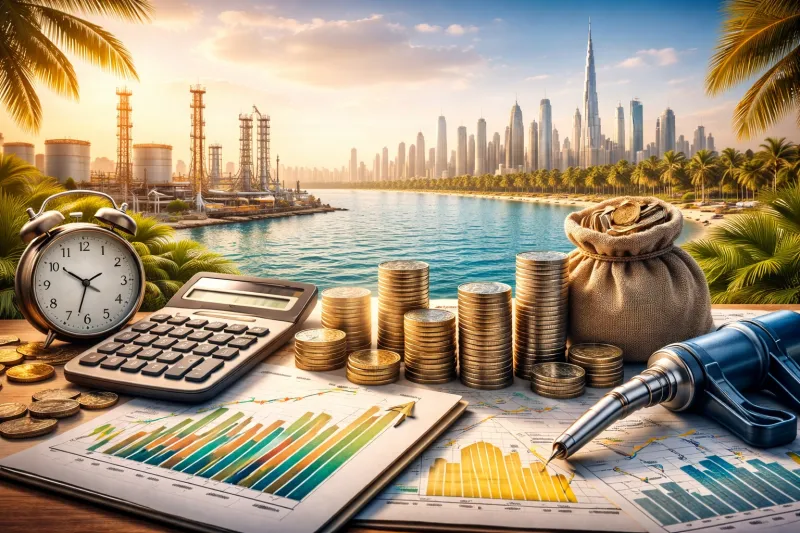
Dubai has ascended rapidly as a top destination for HNWIs due to its business-friendly environment, tax advantages, and luxury lifestyle offerings. The city's strategic location connecting East and West makes it an attractive base for global entrepreneurs and investors looking to capitalize on emerging markets.
Decline of traditional european wealth centers
Contrasting Dubai's rise, cities like London, Paris, and Geneva have seen slower growth or slight decline in their HNWI populations. Brexit-related uncertainties, tax regime changes, and regulatory shifts have made these cities less appealing as domiciles for the ultra-rich.
The role of tax policies in wealth migration
Taxation remains a critical factor in HNWI residency choices. Dubai’s zero personal income tax policy attracts wealthy individuals seeking to preserve their wealth, while higher taxes in traditional hubs have driven outflows to more favorable jurisdictions.
Impact of geopolitical stability on wealth distribution
Geopolitical stability is increasingly vital for HNWIs when choosing where to locate assets and homes. Dubai’s relative security and political neutrality in a tumultuous region contribute significantly to its attractiveness compared to other wealth hubs facing unrest or policy unpredictability.
Lifestyle and luxury amenities as wealth magnets
Dubai’s investment in world-class infrastructure, from luxury real estate to high-end retail and entertainment, appeals to wealthy individuals seeking not just financial advantages but also an elevated lifestyle environment.
Changing economic opportunities driving relocation
Emerging sectors like fintech, renewable energy, and technology innovation in Dubai provide new economic opportunities for entrepreneurs and investors, encouraging a shift away from traditional centers reliant on more mature industries.
Connectivity and international business networks
Dubai’s advanced transport infrastructure and status as a global aviation hub ensure robust connectivity, supporting international trade and business relationships essential for high net worth entrepreneurs and investors.
Real estate developments reflecting changing wealth trends
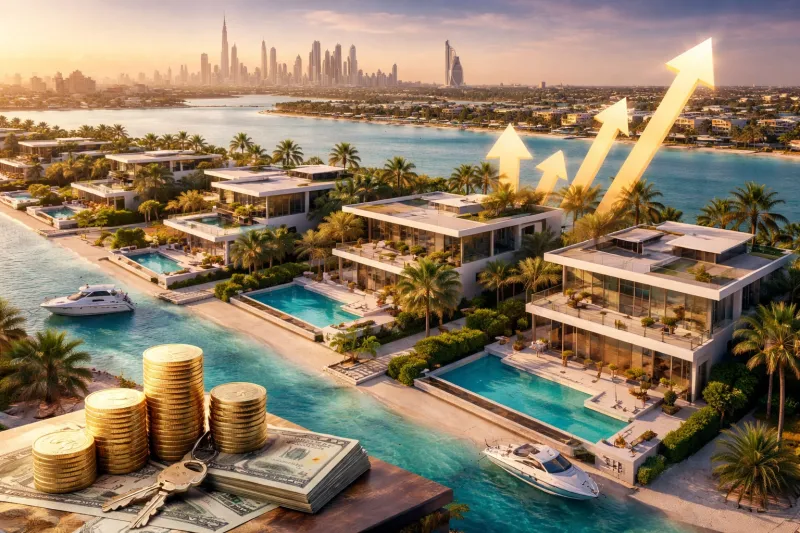
Luxury real estate in Dubai has surged in demand, with mega-projects and exclusive residential communities catering to the tastes and privacy demands of HNWIs, in contrast with some saturated or restrictive markets elsewhere.
The influence of residency and citizenship programs
Government-backed residency and citizenship by investment schemes in Dubai and the UAE provide an additional incentive for wealthy individuals to relocate, offering streamlined pathways to residency with minimal bureaucratic hurdles.
Future prospects and challenges for global wealth hubs
As Dubai solidifies its position, traditional wealth hubs must adapt by reassessing tax policies, regulatory frameworks, and quality of life offerings to retain and attract HNWIs amid an evolving global wealth landscape.
Writer focused on delivering informative, accessible content