HNWI shift: Asian investors diversify away from Dubai amid geopolitical risks
High-net-worth individuals (HNWIs) from Asia, who have traditionally viewed Dubai as a prime hub for investment and wealth preservation, are increasingly reassessing their portfolios. Rising geopolitical tensions in the Middle East combined with shifting global economic dynamics have prompted many to diversify their assets away from the UAE’s flagship city. This article explores the key factors behind this shift and its implications for investors and market stakeholders alike.
- The rise of Dubai as a hub for Asian HNWIs
- Geopolitical tensions unsettling investor confidence
- Impact of regional security threats on asset allocation
- Diversification into alternative global markets
- Shifting interests within asset classes
- The role of family offices in responding to geopolitical risk
- Dubai’s response to maintain its investor appeal
- Impact on Dubai’s luxury real estate market
- Currency and capital flow considerations
- Long-term implications for Asian investors’ portfolio strategies
The rise of Dubai as a hub for Asian HNWIs
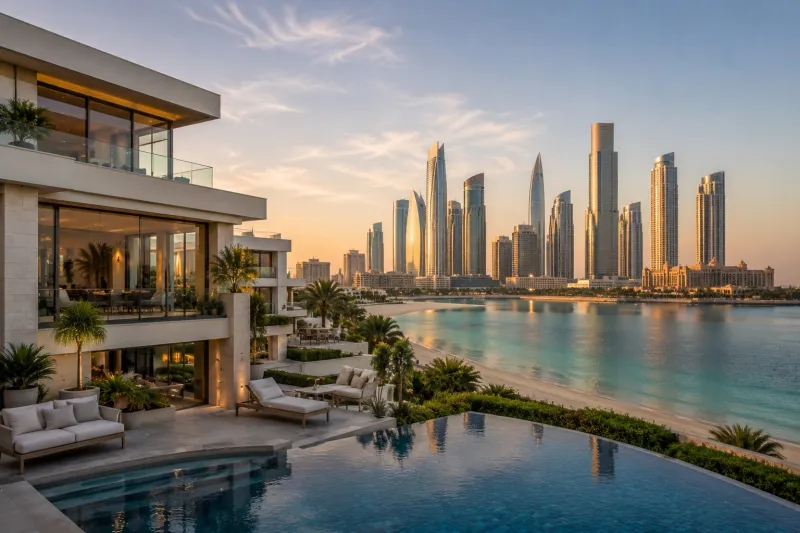
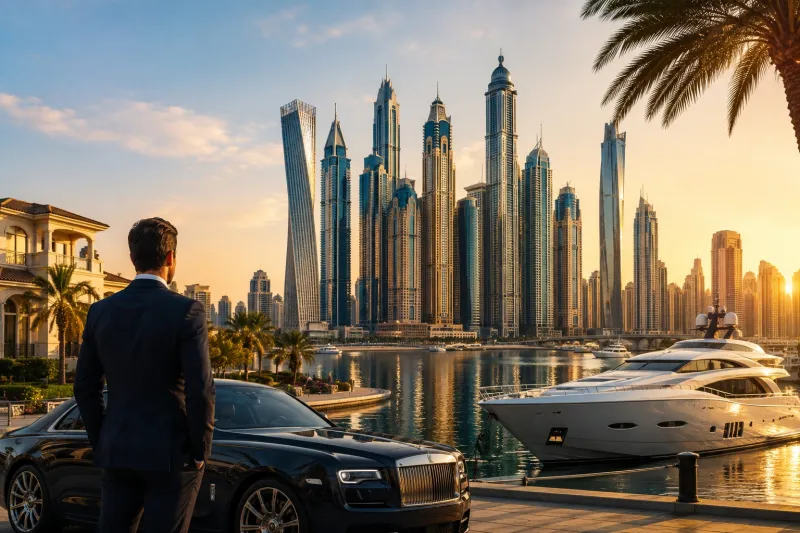
Over the past two decades, Dubai emerged as a magnet for Asian high-net-worth individuals seeking lucrative investment opportunities, tax efficiencies, and a cosmopolitan lifestyle. The city's strategic location, robust real estate market, luxury retail, and business-friendly regulations made it a favored destination. From family offices to private equity, Dubai offered Asian investors a dynamic gateway linking East and West.
Geopolitical tensions unsettling investor confidence
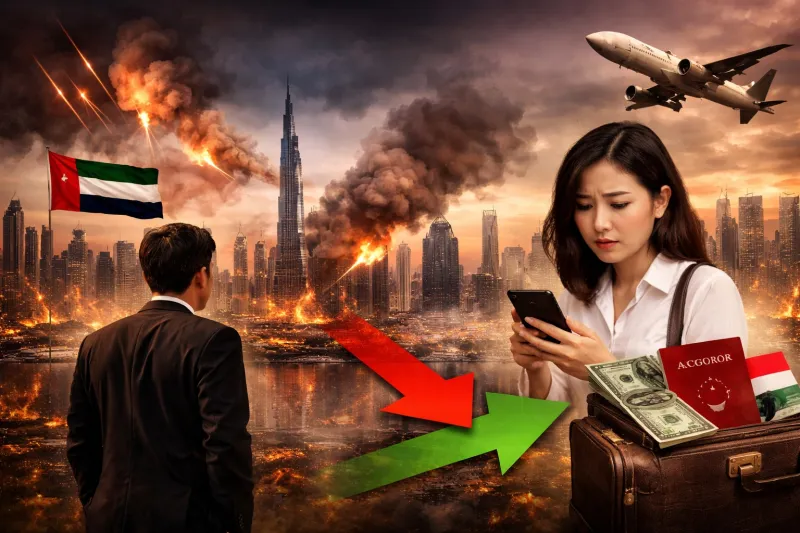
Recent geopolitical developments in the Middle East, including conflicts and diplomatic rifts involving the UAE and surrounding nations, have introduced heightened uncertainty. HNWIs, particularly those with significant holdings in Dubai’s real estate and financial sectors, are recalibrating their risk appetite due to fears of asset volatility and potential disruptions.
Impact of regional security threats on asset allocation
The rise in regional security threats has led to re-evaluations of asset allocations among Asian investors. Many are now shifting capital from concentrated Dubai investments into a broader array of geographies and asset classes to mitigate risks associated with political instability and possible economic sanctions or travel restrictions impacting liquidity.
Diversification into alternative global markets
In search of safer havens, Asian HNWIs are increasingly targeting markets such as Singapore, London, and Switzerland. These locations offer political stability, mature financial services, and strong legal protections. Moreover, emerging markets in Southeast Asia and Australasia are gaining traction due to their growth potential and relatively lower geopolitical risks.
Shifting interests within asset classes
Alongside geographic diversification, a noticeable shift has occurred within asset classes. Asian investors are moving away from solely real estate-heavy portfolios in Dubai towards a more balanced mix including private equity, technology ventures, and renewable energy projects in diverse regions, driven by long-term growth prospects and sustainability considerations.
The role of family offices in responding to geopolitical risk
Family offices managing the wealth of Asian HNWIs have taken a proactive approach to geopolitical risks. Many are expanding their global networks, increasing due diligence on jurisdictions, and incorporating scenario planning into investment strategies to ensure resilience and capital preservation amid uncertain regional dynamics.
Dubai’s response to maintain its investor appeal
In response to this perceived outflow of Asian capital, Dubai authorities have initiated measures to bolster investor confidence. These include enhancing regulatory transparency, investing in infrastructure, and promoting new sectors such as fintech and green technologies to attract diversified investments and reinforce its status as a global business hub.
Impact on Dubai’s luxury real estate market
The luxury real estate sector in Dubai, long favored by Asian HNWIs, is experiencing changing demand dynamics. While some high-end property segments remain buoyant, overall buyer profiles are evolving with greater competition from other markets offering safer regulatory environments and geopolitical stability.
Currency and capital flow considerations
Fluctuations in currency values and concerns over capital controls have further influenced Asian investors' decision-making. Many seek jurisdictions with strong currency stability and flexible capital movement policies to ensure liquidity and ease of repatriation, contributing to their diversification away from Dubai-centric holdings.
Long-term implications for Asian investors’ portfolio strategies
The ongoing geopolitical uncertainties are likely to motivate Asian HNWIs to adopt more geographically and sectorally diversified portfolio strategies over the long term. Prioritizing resilience, liquidity, and growth potential while cautiously balancing risk exposure will shape the investment landscape for years to come.
Writer focused on delivering informative, accessible content